The bedroom is where the day begins and ends, so it deserves a design that’s tailored for rest. Knowing how to decorate a bedroom involves adapting the layout, style, and lighting to the space you have, because you don’t decorate a double bedroom the same way you would a single one.
In this guide, we’ll walk you through, step by step, the keys to achieving this and how to tackle each situation: how to decorate a small bedroom to make it feel more spacious and how to decorate a large bedroom without making it feel cold, as well as the most common mistakes you should avoid.
Where to Start
It is essential to analyze and assess the space before choosing furniture, colors, or accessories. The room’s dimensions, the location of the doors, sources of natural light, and storage solutions are some of the factors you should consider to start with.
Distribution and Focal Point
As we’ve already mentioned, the layout is the first step toward creating a comfortable bedroom. The bed is usually the focal point, and it’s best to place it where it can be easily accessed from both sides, space permitting.
It’s a good idea to leave enough space to walk around the bed and avoid furniture that hinders movement in the room. This is especially important in small bedrooms, where every centimeter counts, so it’s best to prioritize the most essential pieces. As a general guideline, it’s recommended to leave about 60–70 cm of space on each side of the bed and 70–90 cm at the foot of the bed, adjusting these measurements if the bedroom is small. In these cases, it’s best to prioritize essential furniture and avoid pieces that obstruct movement.
It’s important to identify a focal point. Usually, this is the headboard, which can be highlighted with a colored wall, a collection of paintings, or carefully chosen lighting.
Style, Color, and Light
Once you’ve decided on the layout of the room, it’s time to choose the decor style you want to give it. Japandi, Nordic, or minimalist are a few possibilities; you can learn about the characteristics of each in our guide to interior design styles.
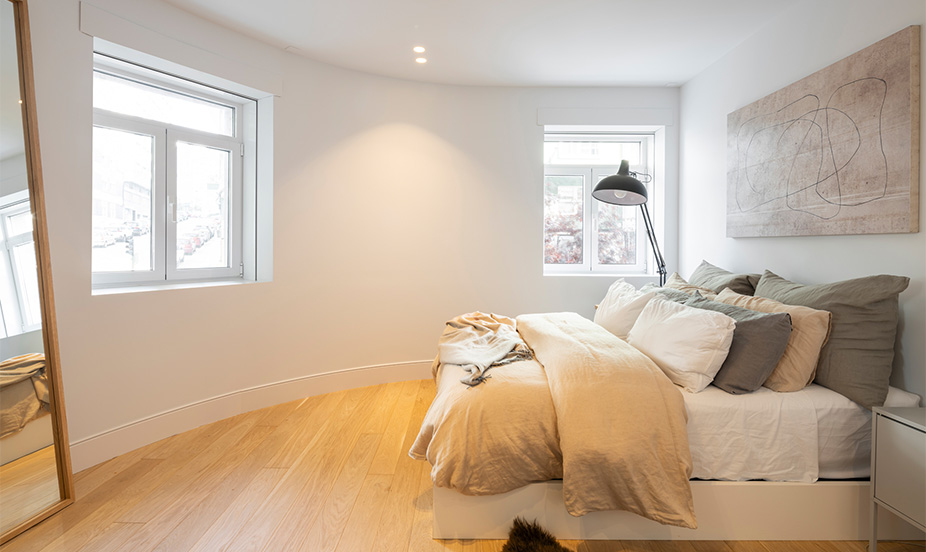
Neutral and natural colors, such as off-white, beige, or sand, usually work well in the bedroom, as they promote rest. This doesn’t mean you have to give up color; more intense shades can be incorporated into certain details, such as the headboard or a few throw pillows.
Lighting plays a very important role. Ideally, you should combine general lighting with individual light sources next to the bed and, when necessary, warmer ambient lighting, which helps create different atmospheres depending on your needs or the time of day.
We recommend reading our blog post on how to design lighting for your home, where we go into more detail on this topic.
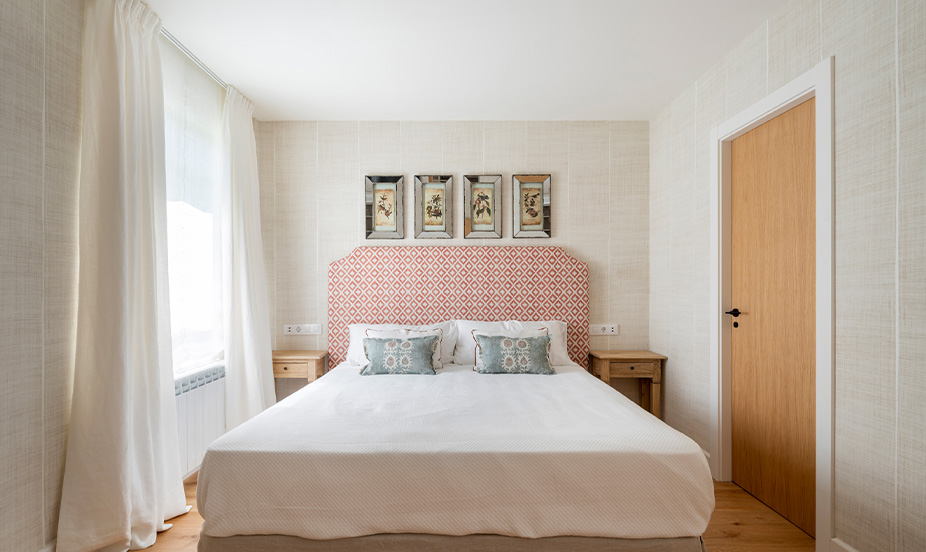
How to Decorate a Master Bedroom
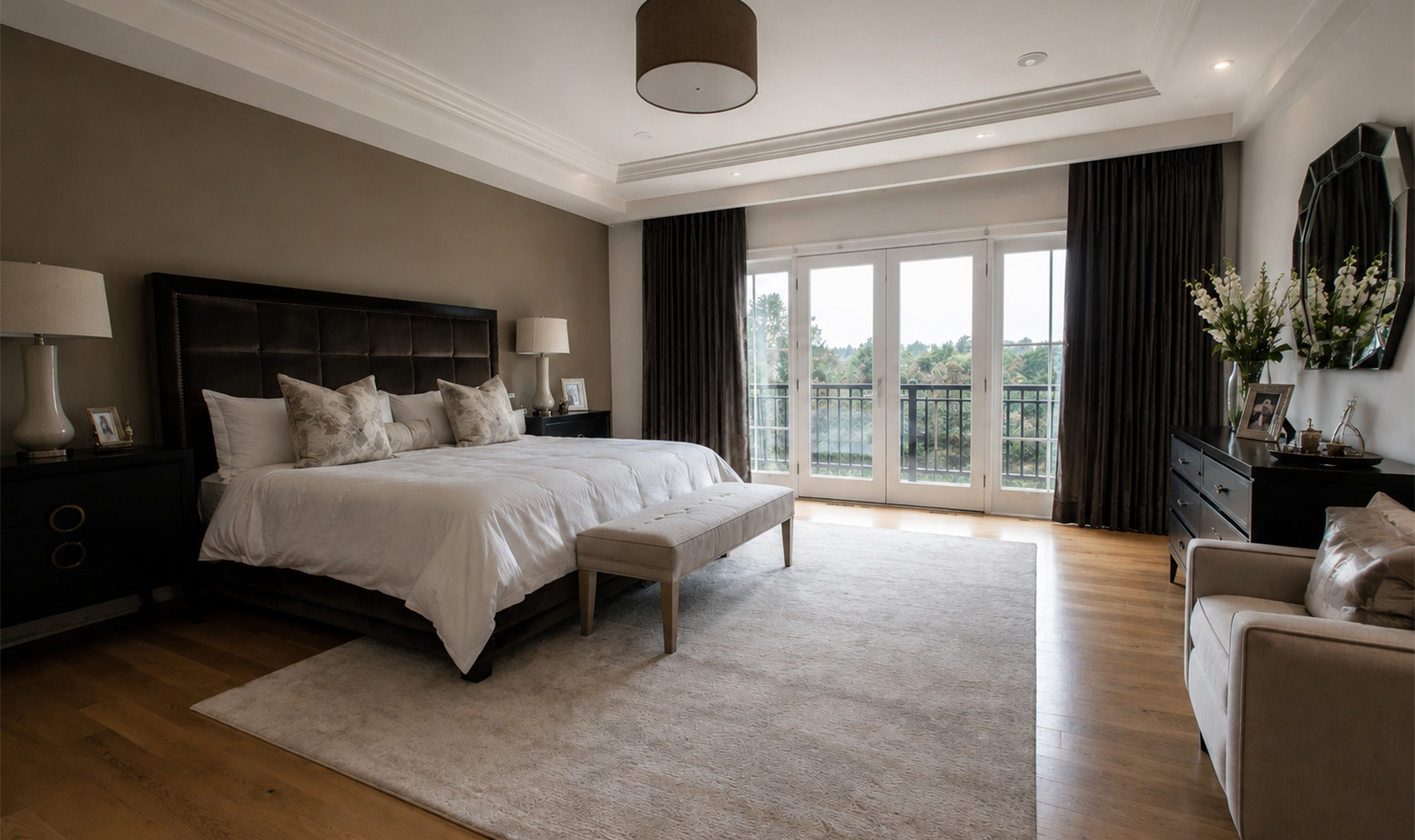
In this type of bedroom, it’s important to make the space comfortable for two people while also paying attention to aesthetics. The layout of the room should be designed to allow for the simultaneous use of the main features and to provide enough storage space for both people.
Natural Materials and Textures
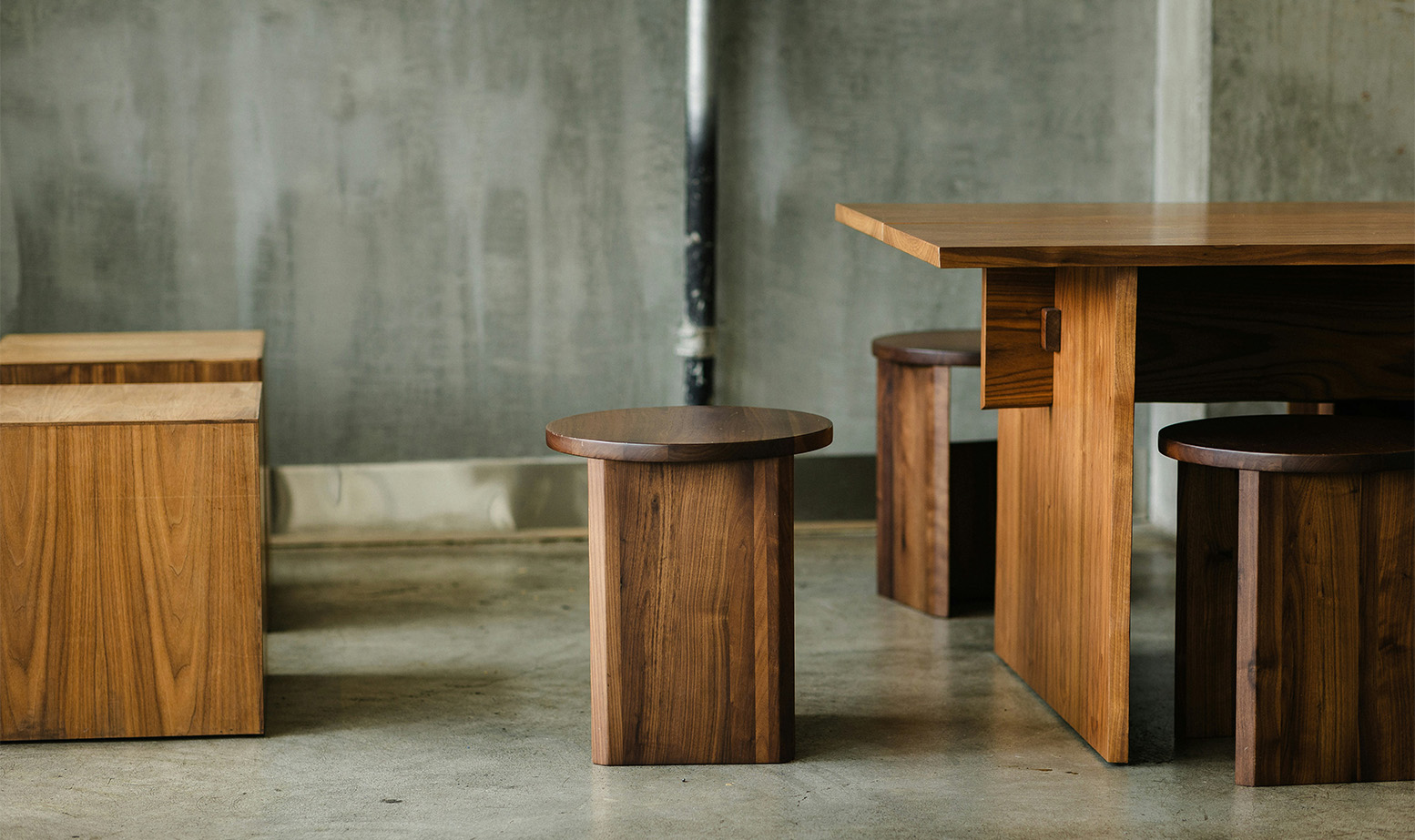
Wood, stone, ceramics, linen, cotton, and other natural fibers work particularly well with this style. The key is to choose materials that retain their natural texture and appearance, avoiding overly artificial or glossy finishes.
Rough surfaces, visible grain, handcrafted pieces, and small irregularities add depth and give each item its own unique character.
The Bed Takes Center Stage
The bed often becomes the focal point of the room, so elements such as the headboard, bedding, and throw pillows can help better define the room’s style and add personality without making the space feel cluttered.
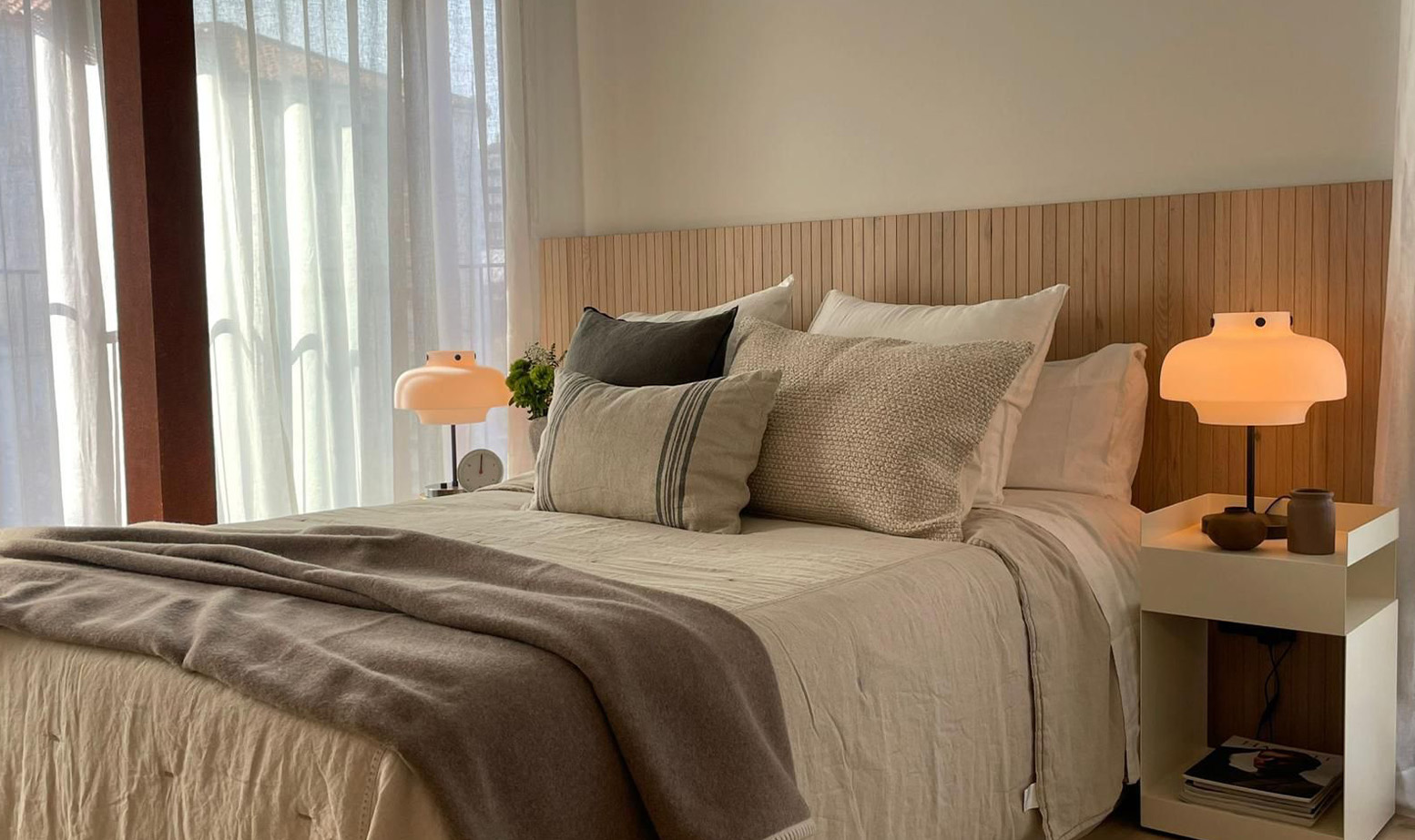
Upholstered headboards create a warmer, cozier feel, whereas wooden headboards pair better with natural, Nordic, or contemporary styles. Bedding helps create visual depth, so it’s best to use a coordinated color palette.
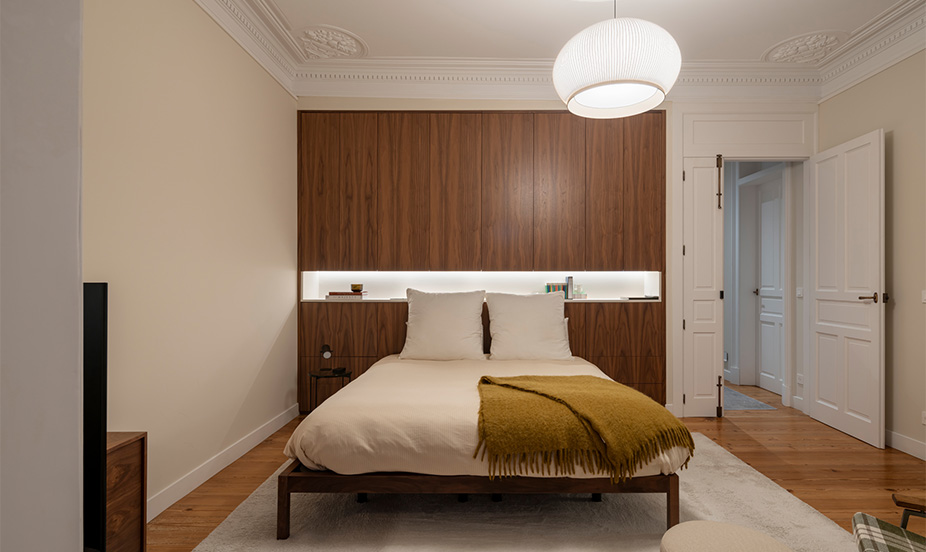
Balance and Symmetry
Symmetry is one of the most useful design elements in master bedrooms. Placing nightstands on both sides of the bed helps create balance and ensures that both people have a surface to rest their arms on and a light source.
It’s best to avoid having one side of the room look much more cluttered than the other; a visually balanced bedroom conveys a greater sense of order and serenity.
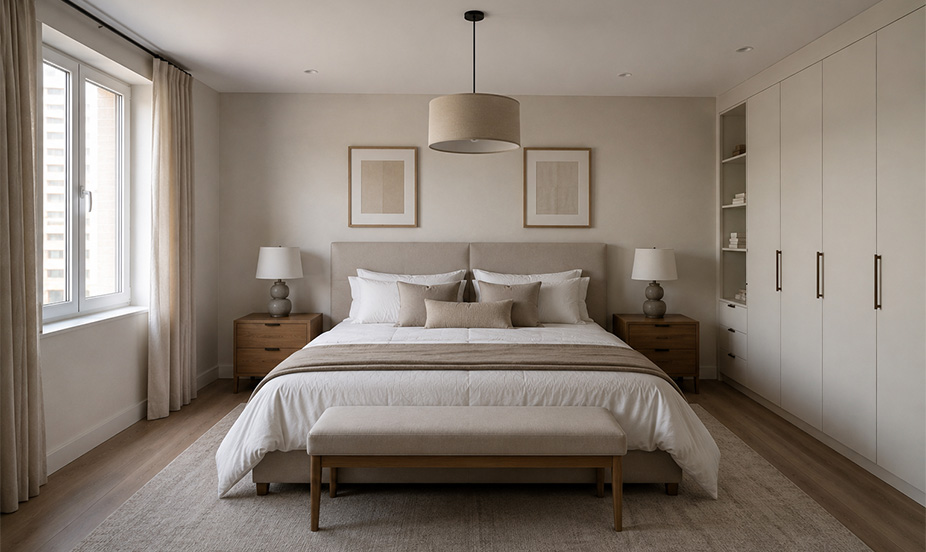
How to Decorate a Small Bedroom
A small bedroom doesn’t have to be uncomfortable if it’s laid out well. The key is to make the most of every available surface and keep furniture from getting in the way.
Visually expands the space
Light colors help reflect light and make the room appear more spacious. Warm whites, beige, or light gray are good choices for walls and larger pieces of furniture.
On the other hand, mirrors can also help create a sense of spaciousness, especially when placed in front of a source of natural light. As for furniture, it’s best to choose pieces that are proportionate to the available space: a bed that’s too large or a wardrobe that’s too bulky can make the space feel smaller.
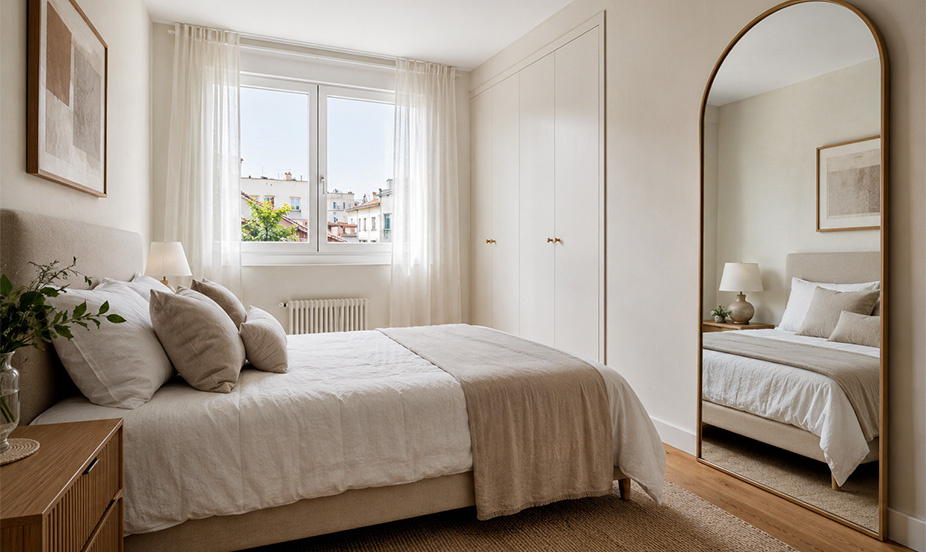
Storage that makes the most of
Storage is one of the biggest challenges when designing a small bedroom. Floor-to-ceiling closets allow you to make the most of vertical space, increasing storage capacity without taking up more floor space. Another common option is beds with storage compartments or drawers. Wall-mounted shelves and compact nightstands are also good choices.
Keeping surfaces clear makes the bedroom look more organized and balanced.
How to Decorate a Large Bedroom
Large bedrooms offer more possibilities than small ones, but they also present other challenges, such as preventing the room from feeling cold or unwelcoming.
In this case, the goal isn’t to make the most of every centimeter, but to create a balanced composition.
Define spaces without making them look cluttered
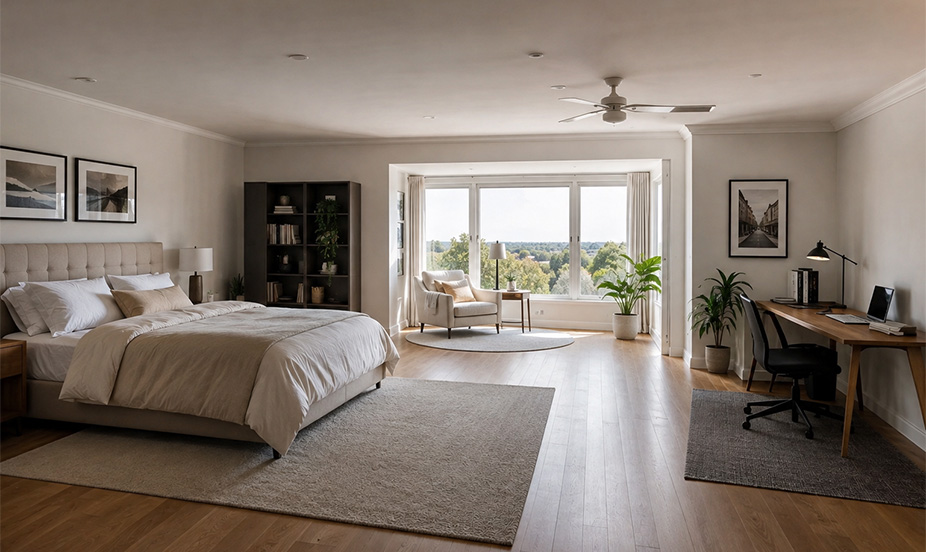
A spacious room can be divided into different areas. In addition to the sleeping area, you can create other spaces, such as a small reading area or a workspace.
You don’t need to build walls to separate these areas. The arrangement of furniture, lamps, or rugs can help define each zone. You can also use different colors to structure the space.
Rugs and Cozy Textiles
In spacious bedrooms, textiles are great for adding warmth. A rug of the right size can define the sleeping area, as we mentioned earlier, and make the bed feel like a cohesive whole.
Other textiles, such as curtains, throw pillows, blankets, and bedding, also help reduce the feeling of emptiness. Mixing different materials—such as wood, linen, or cotton—adds variety without needing to fill the room with furniture.
Proportion is one of the most important considerations, since, for example, small decorative elements can get lost visually. It’s better to choose a few pieces with a stronger presence than to pile up lots of small items.
Mistakes to Avoid When Decorating a Bedroom
- Choosing furniture without measuring the space. Before buying any furniture, measure the room and check the walkways, door and drawer openings, and the available space around the bed.
- Overcrowd the room. A bedroom needs breathing room. Too much furniture and too many decorative items can create a sense of clutter.
- Neglecting lighting. A single central light fixture is usually not enough. Combine different light sources to create different atmospheres.
- Failing to plan for storage. The lack of storage space for clothes and other items ends up affecting the organization of the room.
- Choosing furniture that’s out of proportion. The dimensions should be adapted to the size of the bedroom, whether it is small or large.
Whether you have a small bedroom or a spacious one, you don’t need to fill it with stuff to achieve a great look.
Are you thinking about renovating your bedroom? At The House by Grupo Malasa, we’ll work with you to create a space designed just for you—from the layout to the furniture and the finishing touches. Our interior design service helps you organize your ideas and make informed decisions before construction begins. And if you already know exactly what you want, let us know your vision through our contact page.