Familiarizing yourself with the main interior design styles is the first step toward creating a home that reflects your personality and lifestyle. Each style conveys different feelings and addresses specific needs, so identifying which one suits you best will make both the design process and the selection of furniture, materials, and decor easier.
At The House by Grupo Malasa, we’ve been designing unique homes for years, and we know that every project is different. That’s why, in this guide, we’ll walk you through the ten most popular interior design styles, their characteristics, and the key features that help you recognize them—to inspire you in your next project.
What Are Interior Design Styles?
Interior design styles are sets of aesthetic principles that define how spaces are laid out, decorated, and perceived. Each style combines its own materials, colors, furniture, and decorative elements, generally inspired by a particular era, culture, or design philosophy.
Although each style has a very distinct identity, it is now common to combine different influences to create spaces that are more personal and tailored to the needs of each home.
The 10 Most Popular Styles
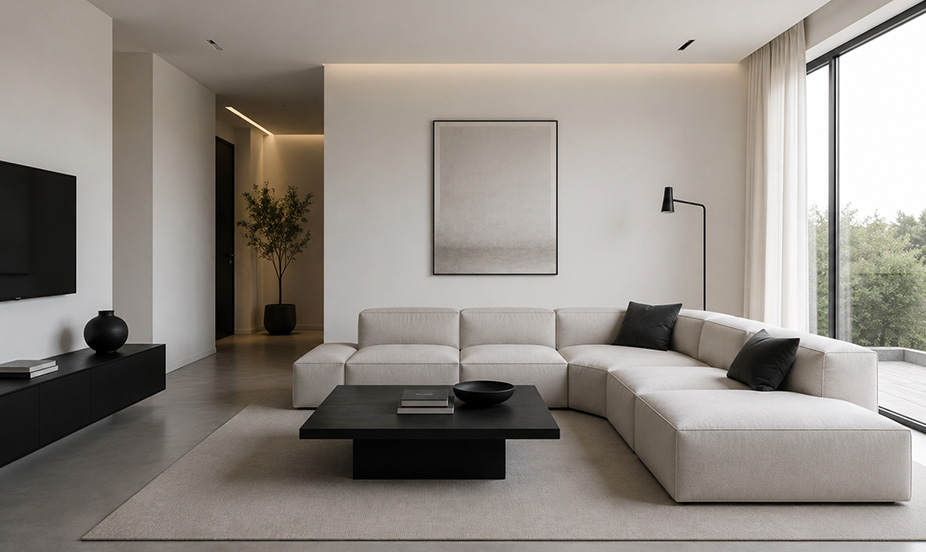
Minimalist style
It stands out for its simplicity, straight lines, and uncluttered spaces; functionality and practicality are prioritized here, so every element serves a specific purpose within the space.
Set aside excessive decoration and unnecessary embellishments; aim to create orderly, balanced, and visually uncluttered spaces. The colors that stand out the most are neutrals—such as white, gray, and black—which create a sense of spaciousness and brightness.
Nordic or Scandinavian style
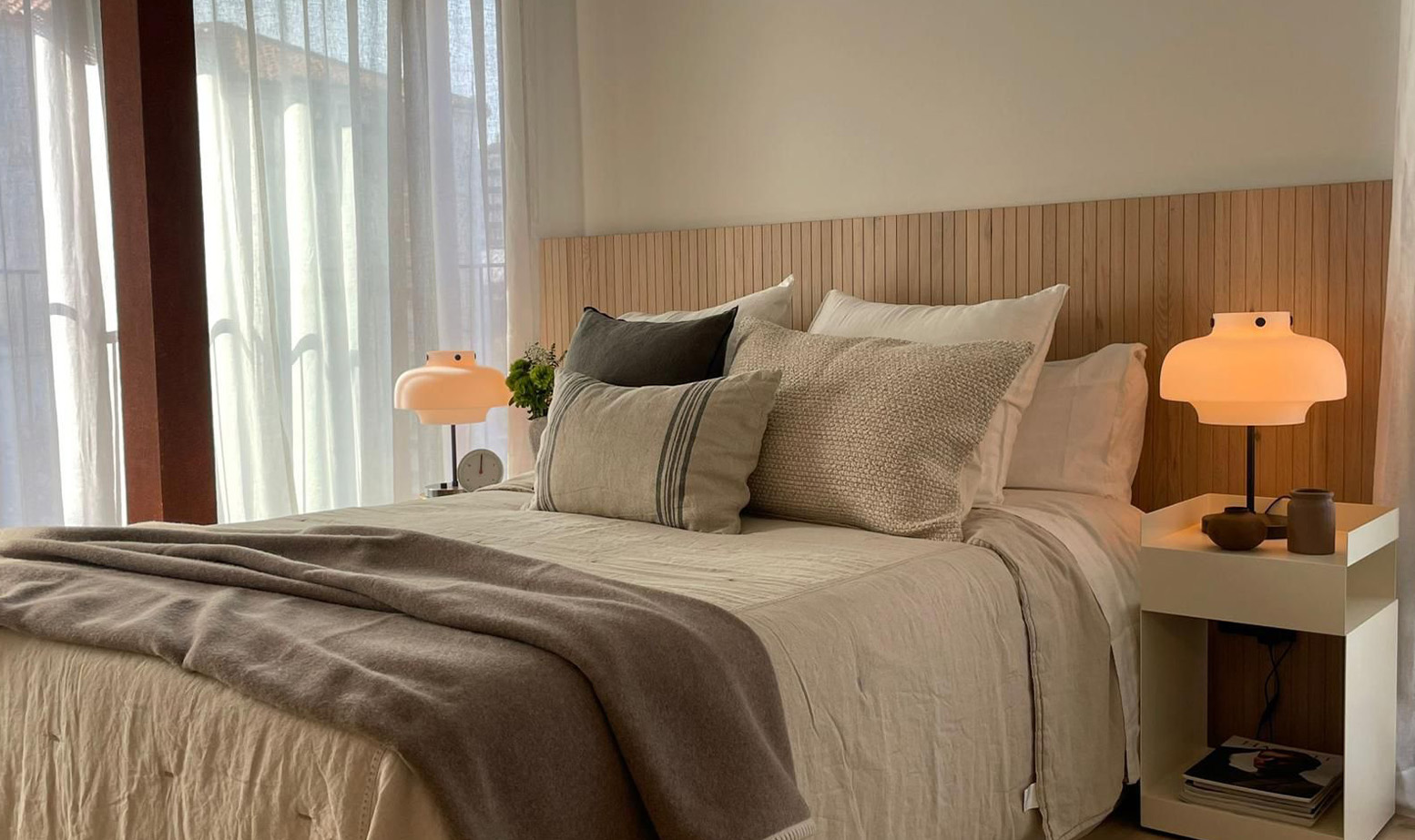
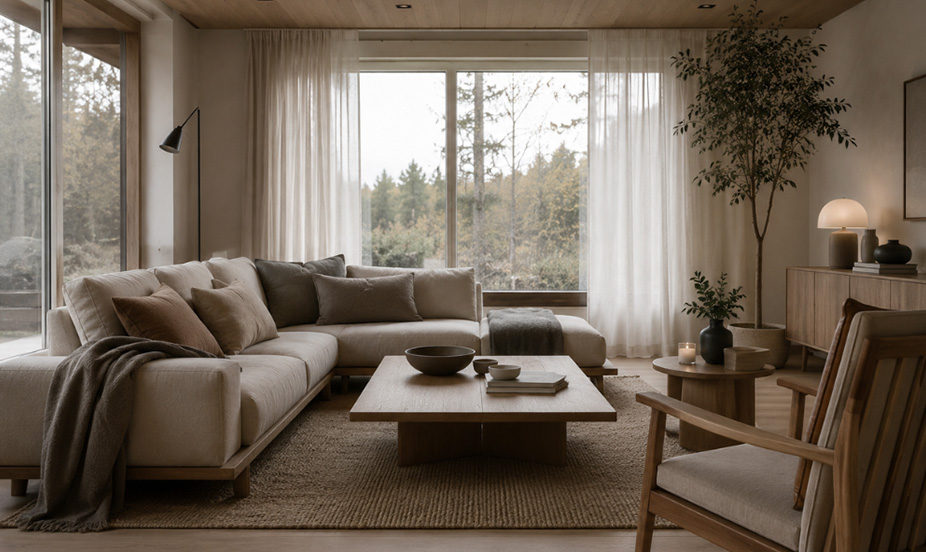
It originated in the Nordic countries and emphasizes light, comfort, and a connection with nature. It is characterized by the use of light colors—especially white and neutral tones—which help enhance natural light and create a sense of spaciousness.
It incorporates natural materials such as wood and cozy textiles—like wool, linen, or cotton—that bring warmth to the spaces.
Industrial Style
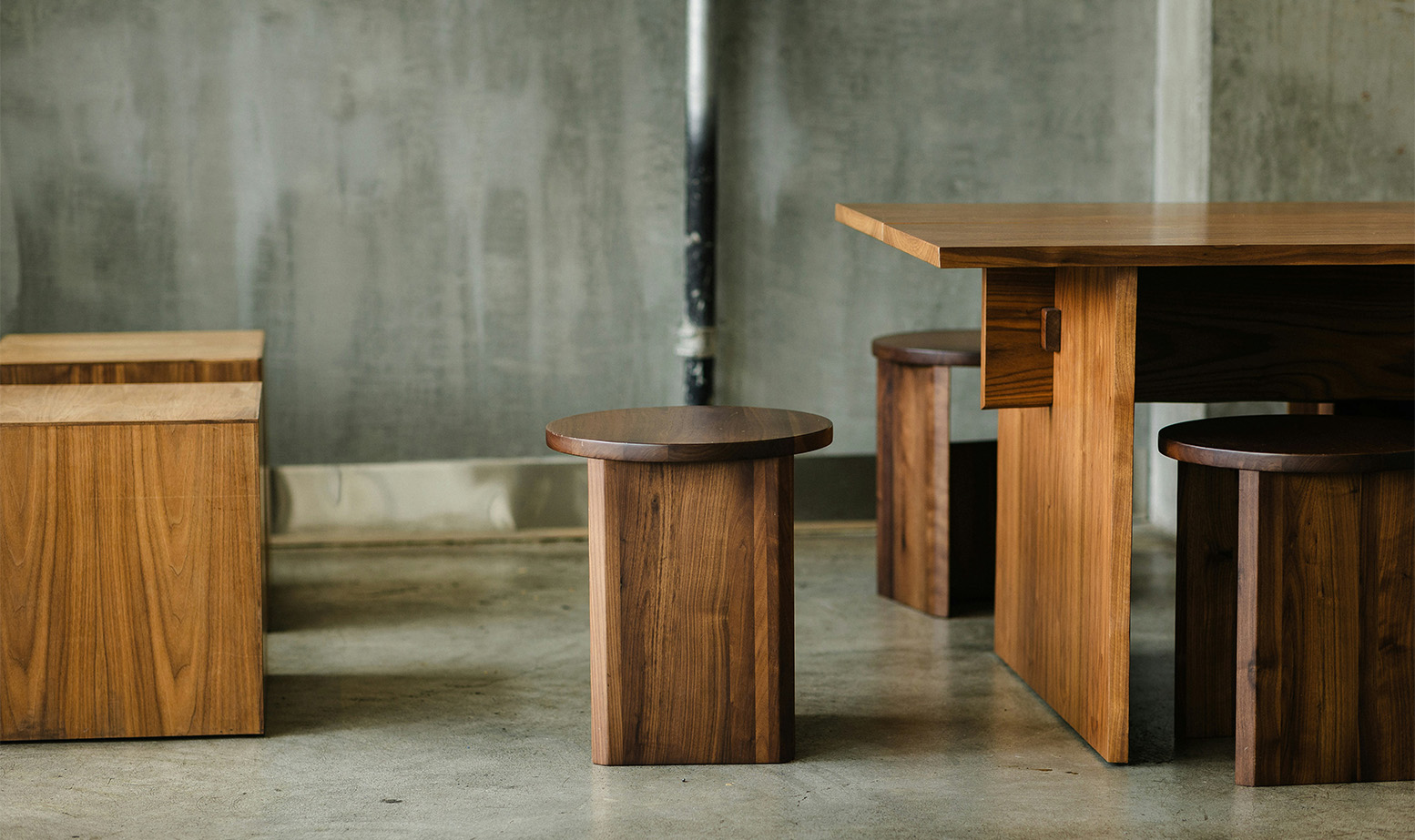
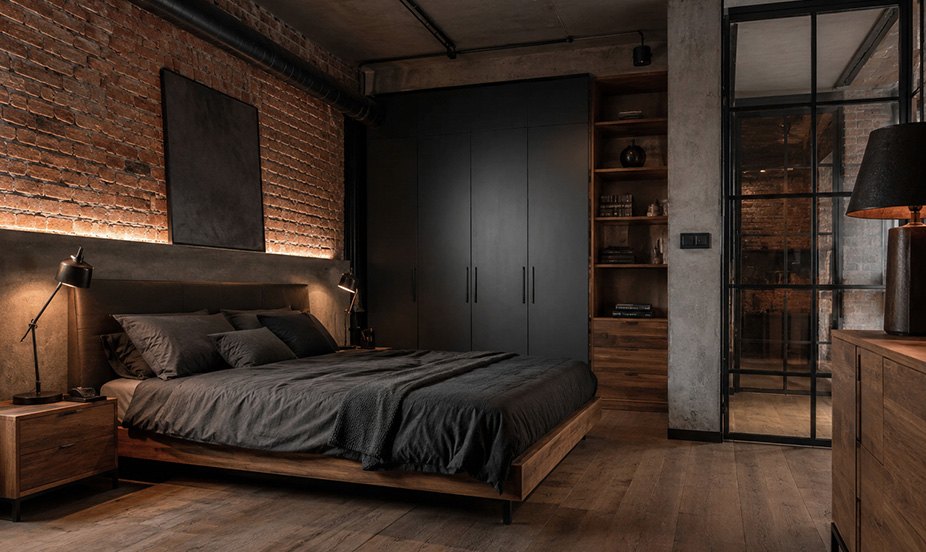
Inspired by old factories and warehouses, this style is characterized by exposing structural elements that would normally be hidden, such as exposed brick, pipes, metal beams, or ventilation ducts.
It combines materials such as iron, steel, concrete, and weathered wood to create spaces with personality and a distinct urban character. The colors are typically neutral and dark, with shades of gray, black, and brown predominating.
Mediterranean style
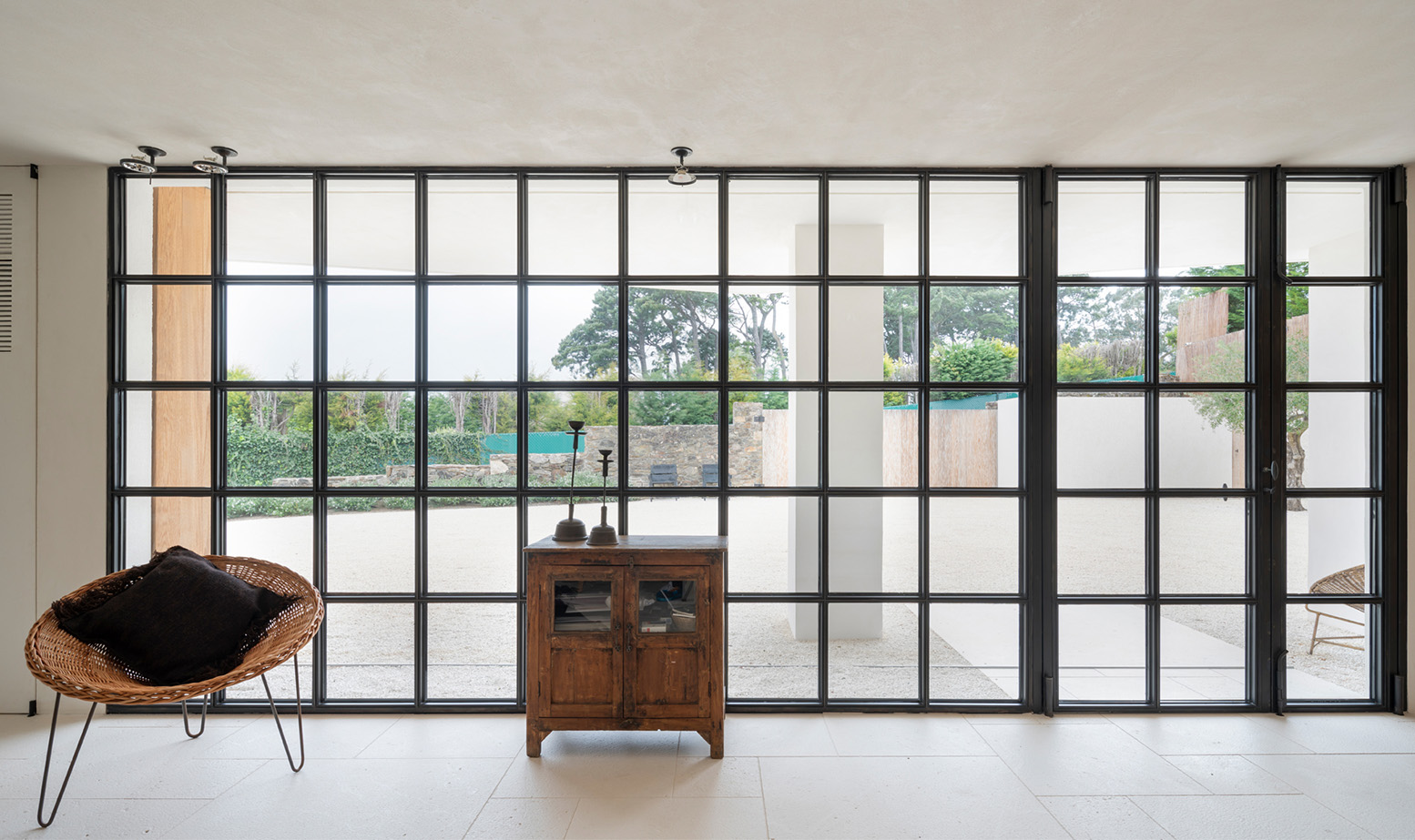
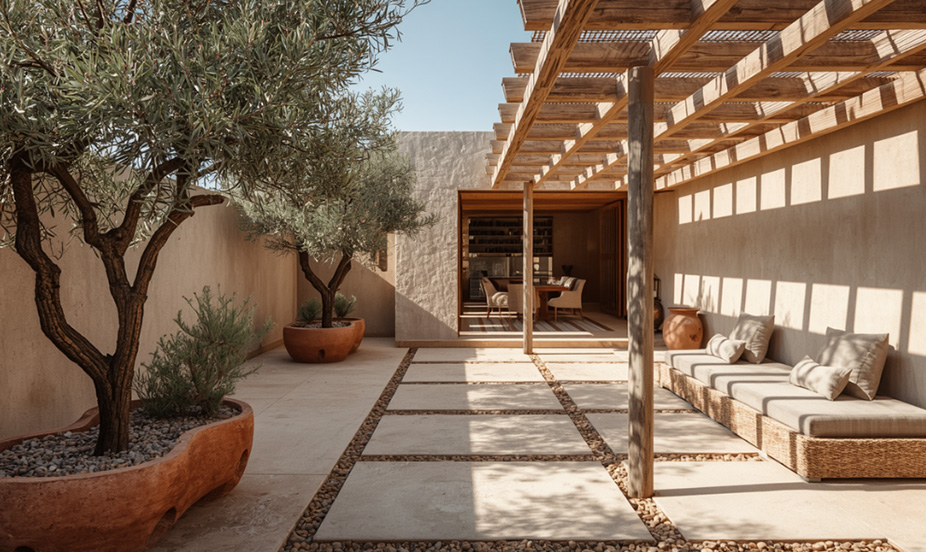
Contemporary Mediterranean style is one of the biggest trends right now.
Its essence combines natural materials such as stone, wood, linen, and ceramics with a color palette inspired by sand, earth, and the sea.
Organic shapes, the connection between interior and exterior, and abundant natural light create relaxed, bright, and timeless spaces.
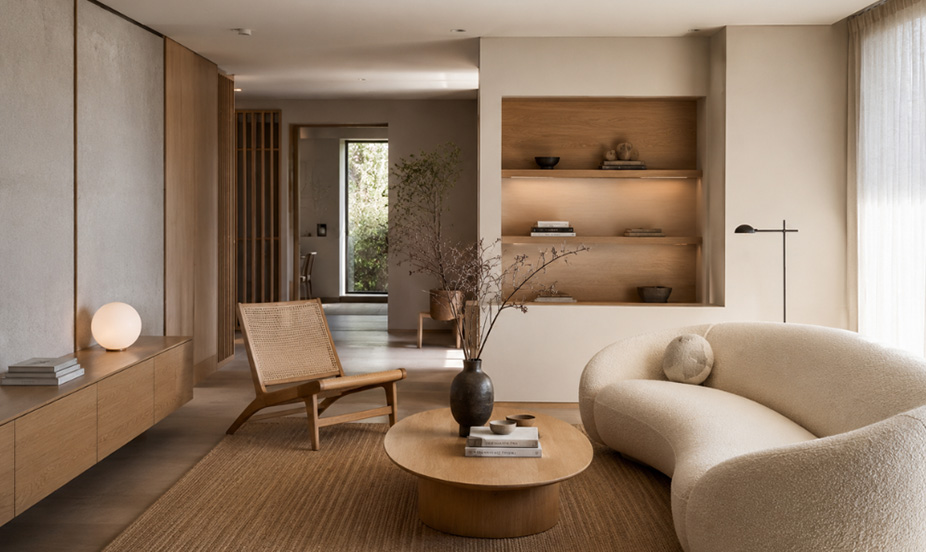
Japandi Style
It blends the serenity and spirituality of Japanese aesthetics with the functionality and warmth of Scandinavian design.
This style advocates for minimalist spaces guided by the principle of “less is more,” prioritizing the quality, order, and purpose of each object to avoid visual clutter.
Characterized by the use of natural materials such as wood, organic fibers, and ceramics, which highlight the beauty of imperfection. Everything comes together through a palette of neutral and earthy colors, complemented by soft lighting.
If this style inspires you, you can find out more in our article on Japandi design.
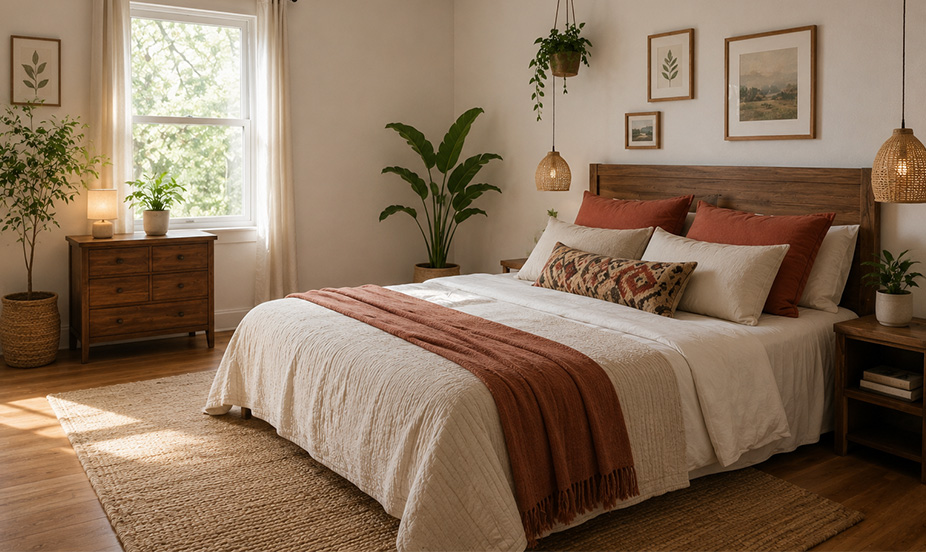
Bohemian style
The bohemian style, also known as “Boho,” is characterized by a free-spirited, more creative, and personal aesthetic. This style embraces a mix of colors, textures, patterns, and decorative objects from different cultures and eras.
The wide variety of textiles—such as rugs and colorful cushions—is a standout feature; this style aims to create unique spaces that reflect the tastes of those who live there.
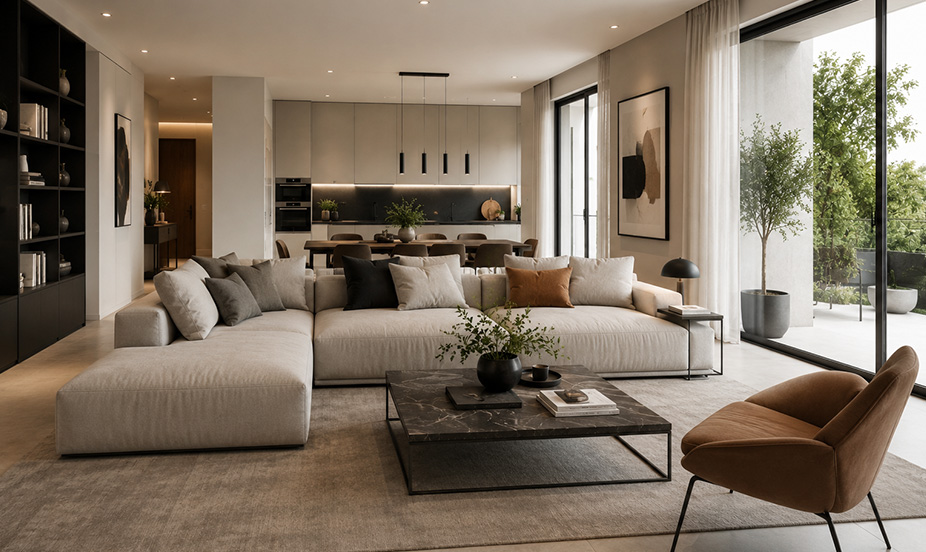
Contemporary style
The contemporary style reflects the constant evolution of modern design.
It is characterized by open spaces, clean lines, and simple decor dominated by neutral colors and high-quality materials.
Unlike the modern style, it is much more flexible and allows for the incorporation of elements from other styles to adapt to current trends.
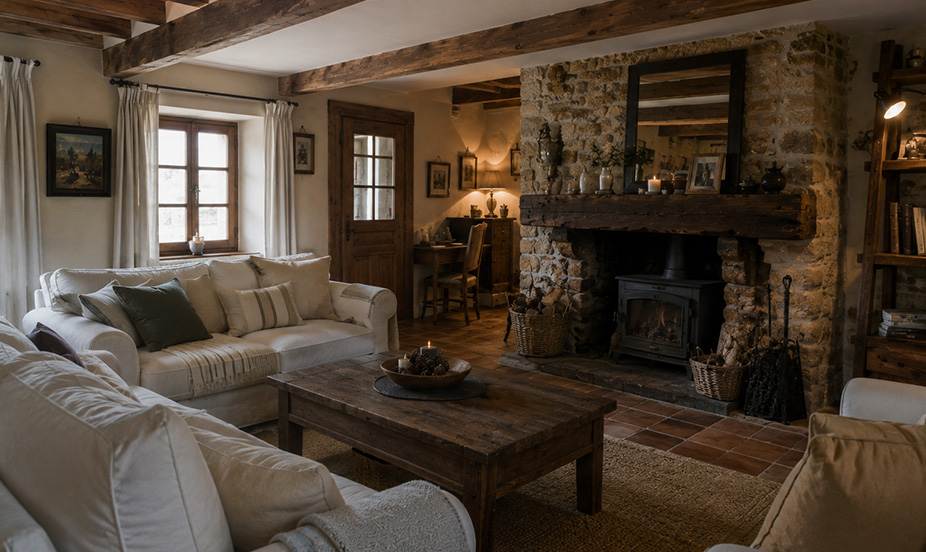
Rustic style
The rustic style is an interior design trend inspired by old country homes and rural settings. It emerged from traditional architecture, characterized by the use of local materials and simple, functional decor, and has evolved into a decorative style that is widely embraced by people for its warmth and natural feel.
It is based on the use of natural materials such as wood, stone, and iron, along with earth tones and neutral shades. Its spaces typically feature sturdy furniture, natural textiles, and warm lighting.
Classic Style
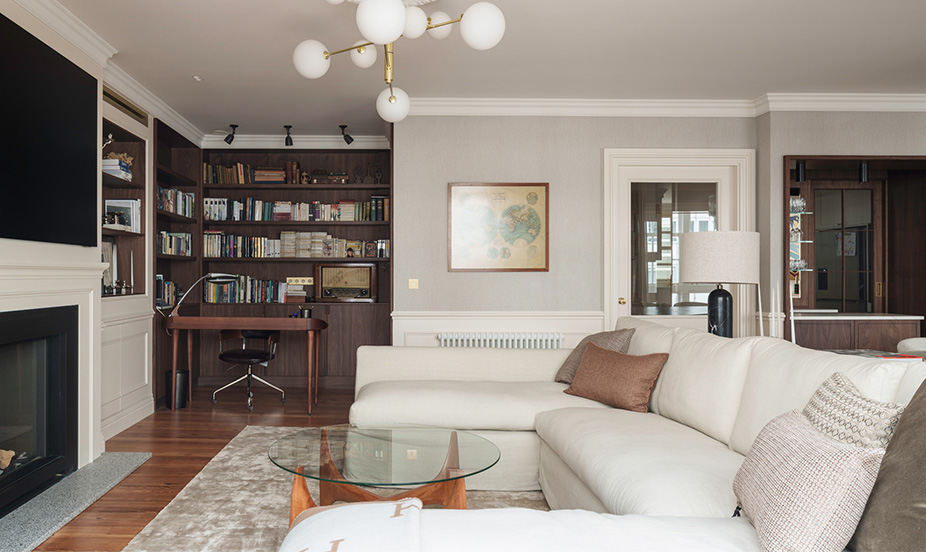
Timeless elegance and attention to detail—these are two hallmarks of this style, which draws inspiration from European decorative traditions and is characterized by symmetry, balance, and the use of high-quality furniture. The spaces often feature moldings, decorative lighting, refined fabrics, and sophisticated finishes.
Neutral colors, warm tones, and a few gold accents or other decorative elements that help create elegant, harmonious spaces with a strong sense of sophistication.
Mid-century style
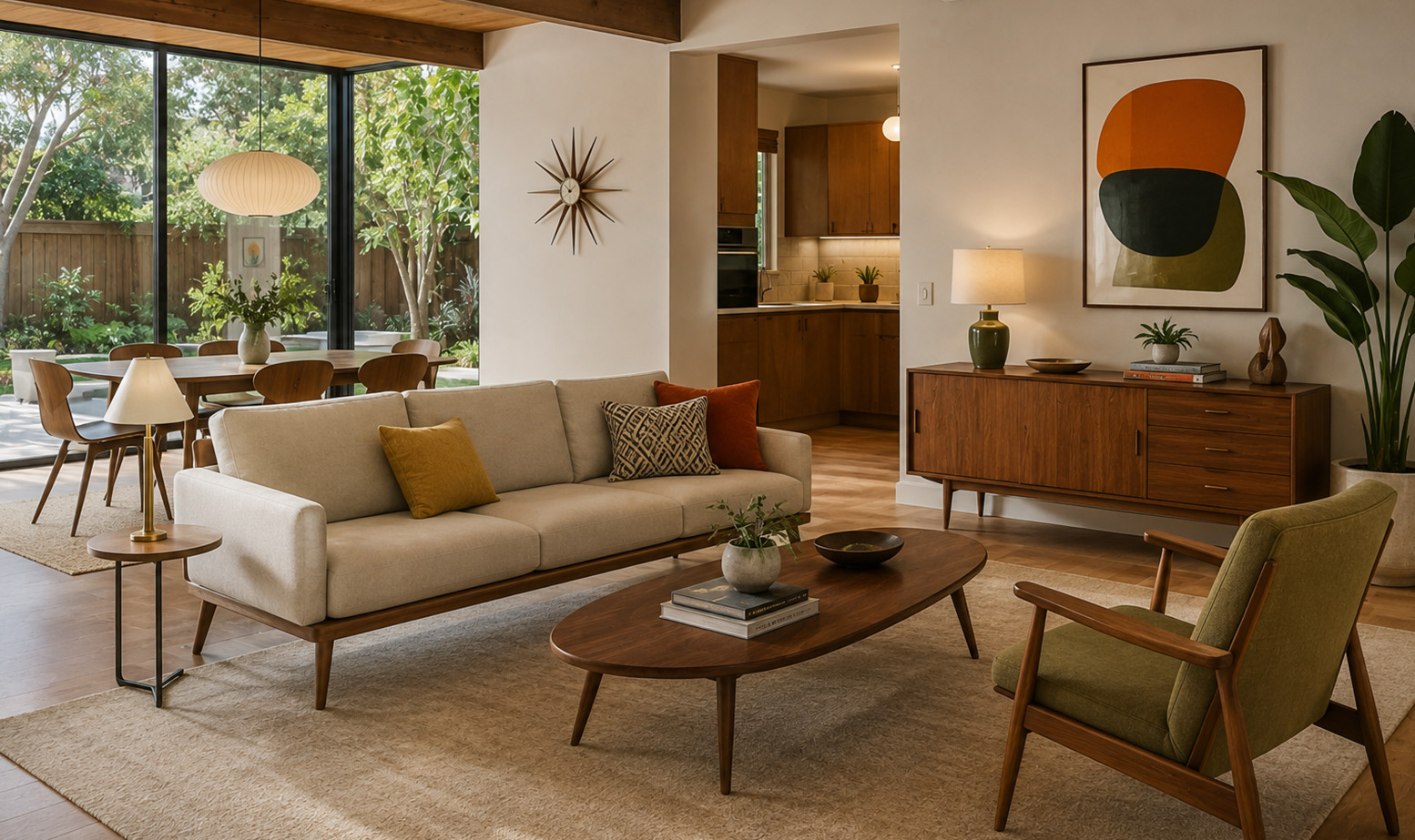
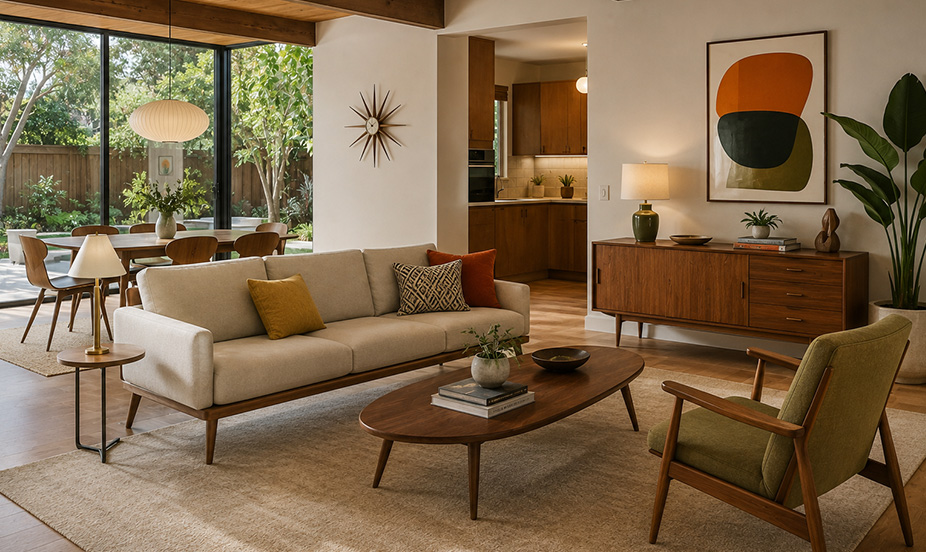
Also known as “Mid-century modern,” this style emerged between the 1940s and 1960s and is characterized by a combination of functionality, simplicity, and elegance.
It stands out for its use of clean lines, with lightweight, sleek furniture and slender legs that create a sense of spaciousness, as well as materials such as natural wood—especially in warm tones—combined with elements of metal, glass, and molded plastic.
The color palette typically combines neutral tones with brighter colors, such as mustard, olive green, or orange.
How to Choose Your Interior Design Style
Choosing a decorative style doesn’t mean following a single trend to the letter.
In fact, the most interesting projects often combine different influences to create personalized, cohesive spaces that are tailored to the lifestyle of their residents.
Natural light influences the choice of colors and materials: light tones help enhance brightness in dimly lit spaces, while spacious, well-lit rooms allow for darker or more contrasting finishes.
Minimalist, Nordic, and Japandi styles are perfect for small homes because they create a sense of spaciousness and order; in contrast, larger spaces allow for styles with a more decorative presence, such as classic or industrial.
It is important to consider the maintenance requirements of the materials and the lifestyle of the home’s residents. Choosing durable, easy-to-maintain materials and functional decor will ensure a comfortable, long-lasting home that is tailored to everyday needs.
Trends in Interior Design Styles
Current trends point toward interiors that are warmer, more sustainable, and focused on well-being. Styles such as Japandi and contemporary Mediterranean are gaining popularity.
Beyond passing fads, the real trend is to design homes that reflect the personalities of those who live in them, prioritizing well-being, the quality of materials, and functionality.
No matter what style you choose, the important thing is that your home reflects who you are. If you’d like help defining your style, our interior design service will guide you through the process. And for inspiration, check out our residential projects and follow us on Instagram, where we share our latest work.