Lighting is one of the fundamental pillars in the design of a house. Beyond its technical function, light is a tool capable of transforming spaces, highlighting materials, creating atmospheres and improving the way we experience each room.
Good lighting directly influences how we perceive a space, how we orient ourselves within it and how we feel. Therefore, thinking about light from the beginning is key to achieve a comfortable, functional and pleasant home.
The importance of lighting in a home
Light not only allows us to see, but also defines volumes, accompanies the paths, provides depth and builds environments. A well-lit home feels more spacious, more orderly and welcoming.
In addition, proper lighting planning improves visual comfort, avoids unnecessary shadows and allows each space to be adapted to different times of the day and different uses.
Types of lighting in the home
To achieve a balanced result, the ideal is to combine different types of lighting in each space.
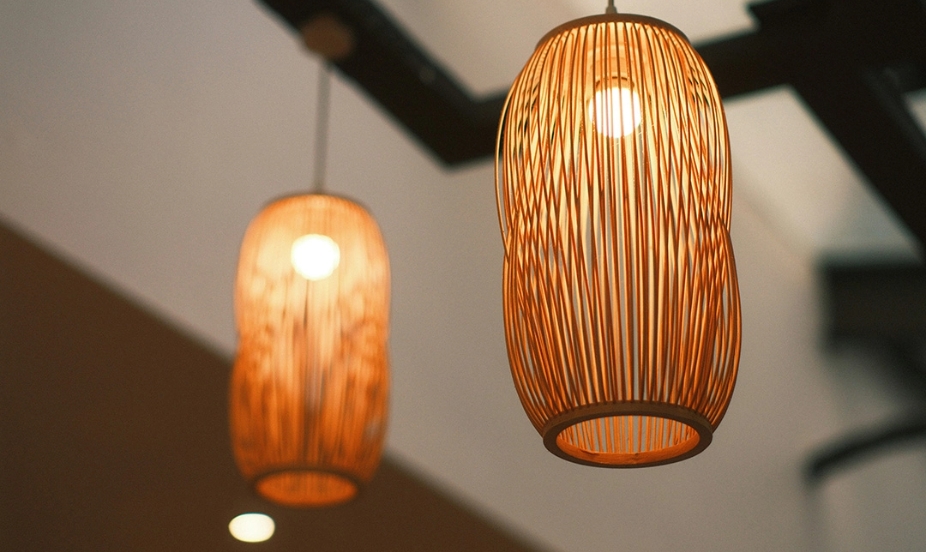
General or ambient lighting
It is the main light in a room. It provides a uniform illumination that allows moving comfortably and safely. It is usually resolved by means of ceiling lamps, recessed spotlights, ceiling lights or linear LED systems.
Good general lighting avoids dark areas, defines the basic atmosphere of the space and serves as a starting point for incorporating other, more specific types of light.
Spot or task lighting
It is the lighting designed for specific activities such as reading, cooking, working or make-up. It provides direct light on a specific surface or area, avoiding shadows and improving visual precision.
It is achieved by means of table lamps, adjustable sconces, flexos, lights under furniture or recessed spots. Well placed, it perfectly complements the general lighting.
Decorative or ambient lighting
Its main function is not practical, but emotional. It serves to create atmosphere, highlight specific elements and give depth to the space.
It is used through LED strips, floor lamps, sconces or indirect light points. It allows playing with shadows, contrasts and nuances, generating cozier, intimate or sophisticated environments.
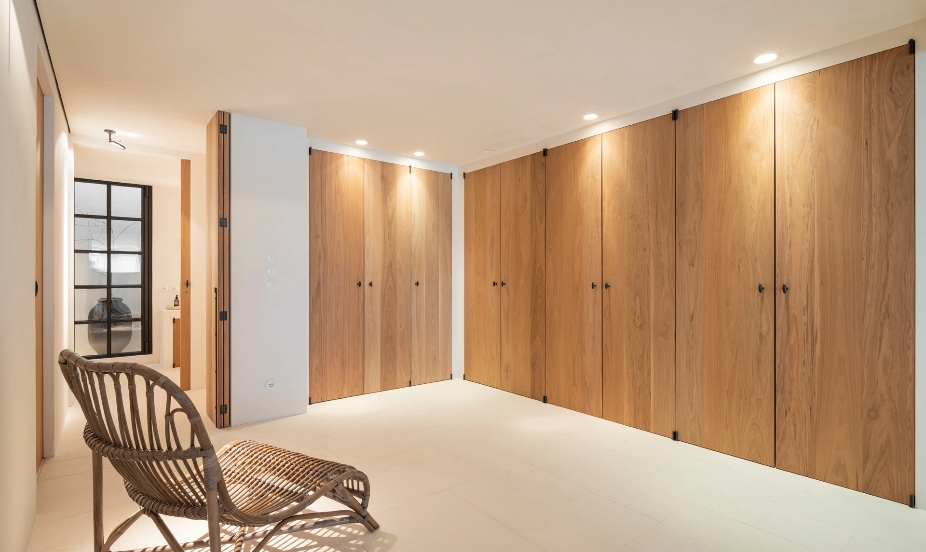
Types of luminaires and interior lighting styles
The choice of luminaires is just as important as the light planning. They not only illuminate: they are also part of the aesthetic language of the space.
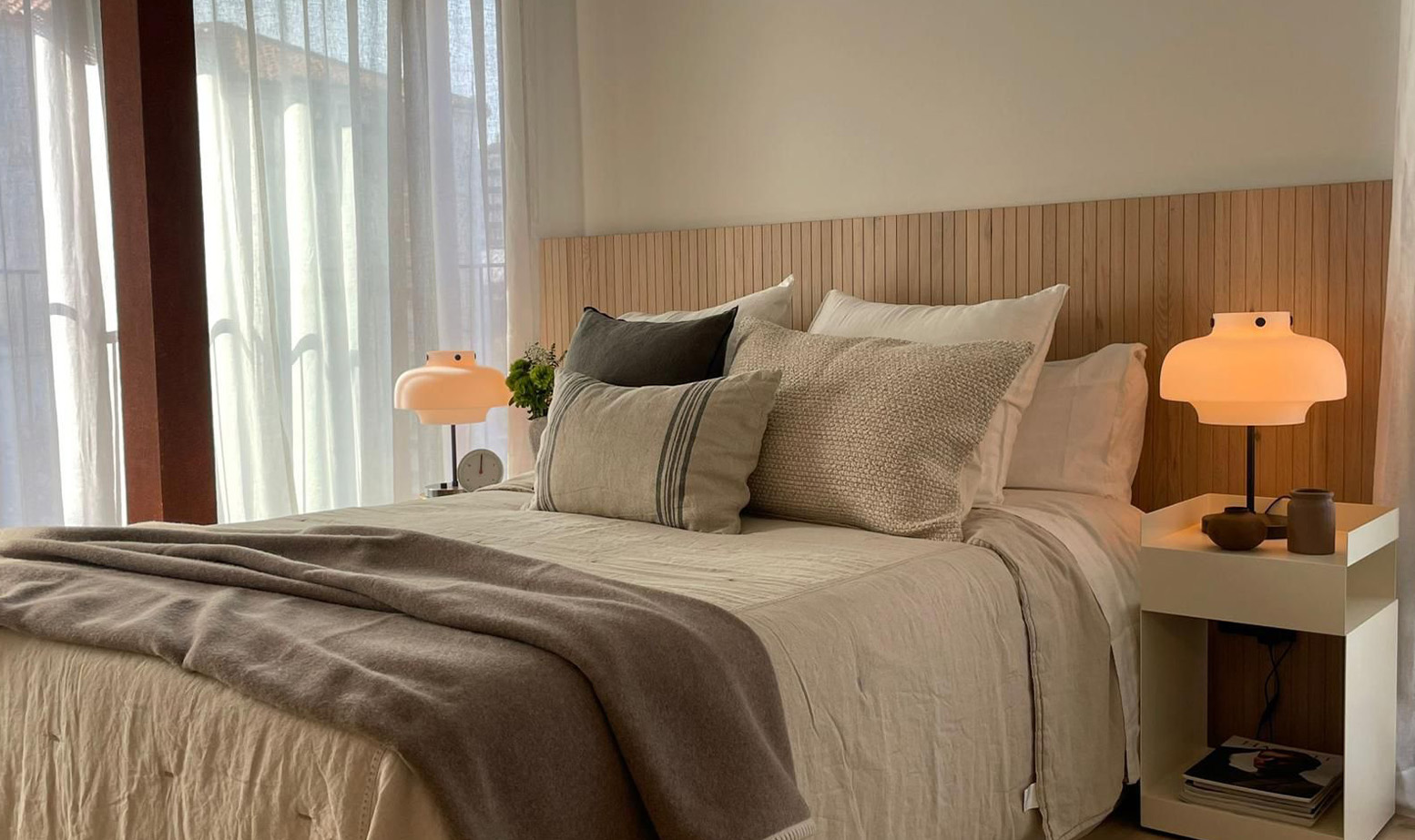
–Textile luminaires: provide a soft and cozy light, ideal for living rooms and bedrooms.
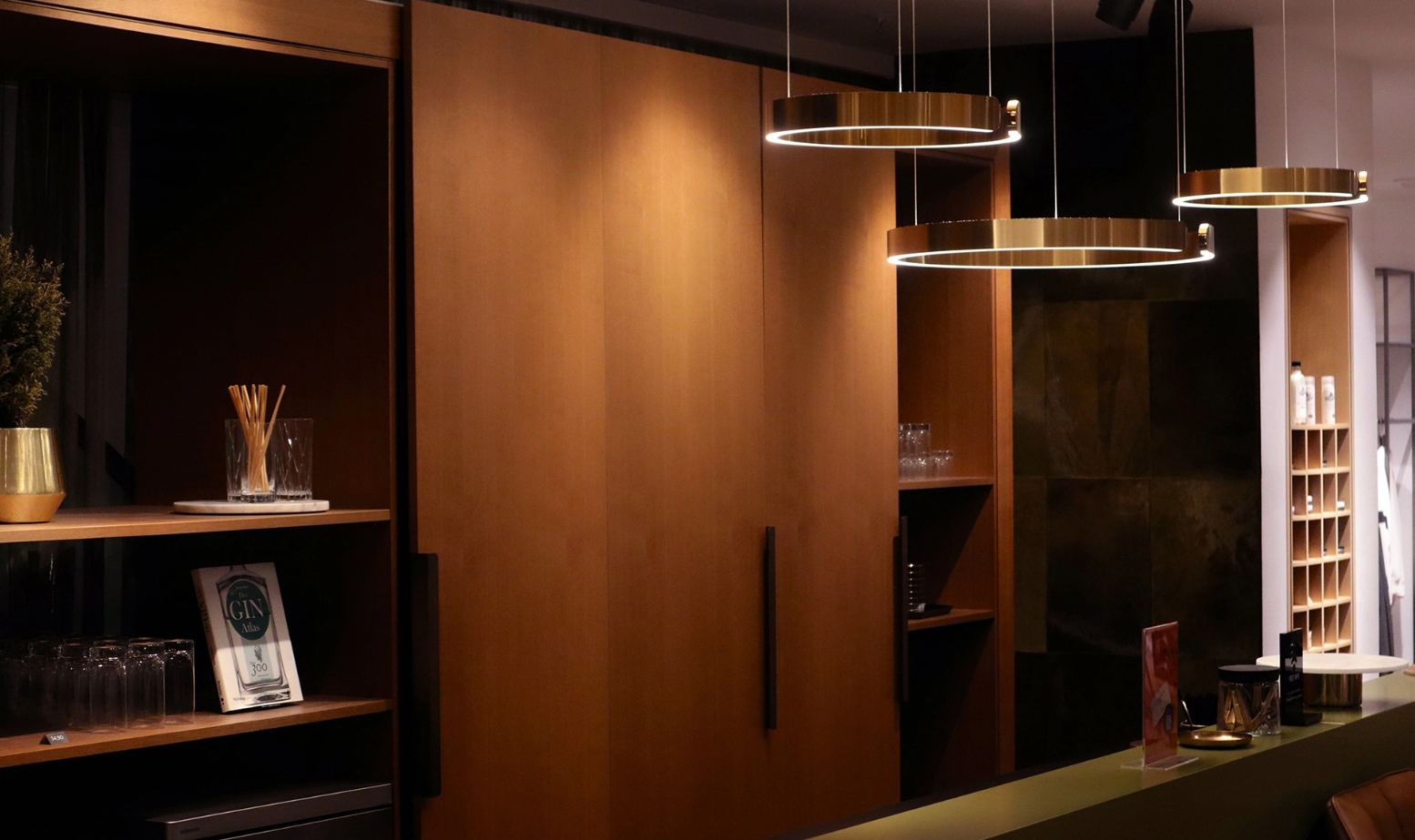
–Minimalist lighting: simple and discreet shapes that blend in with the architecture.
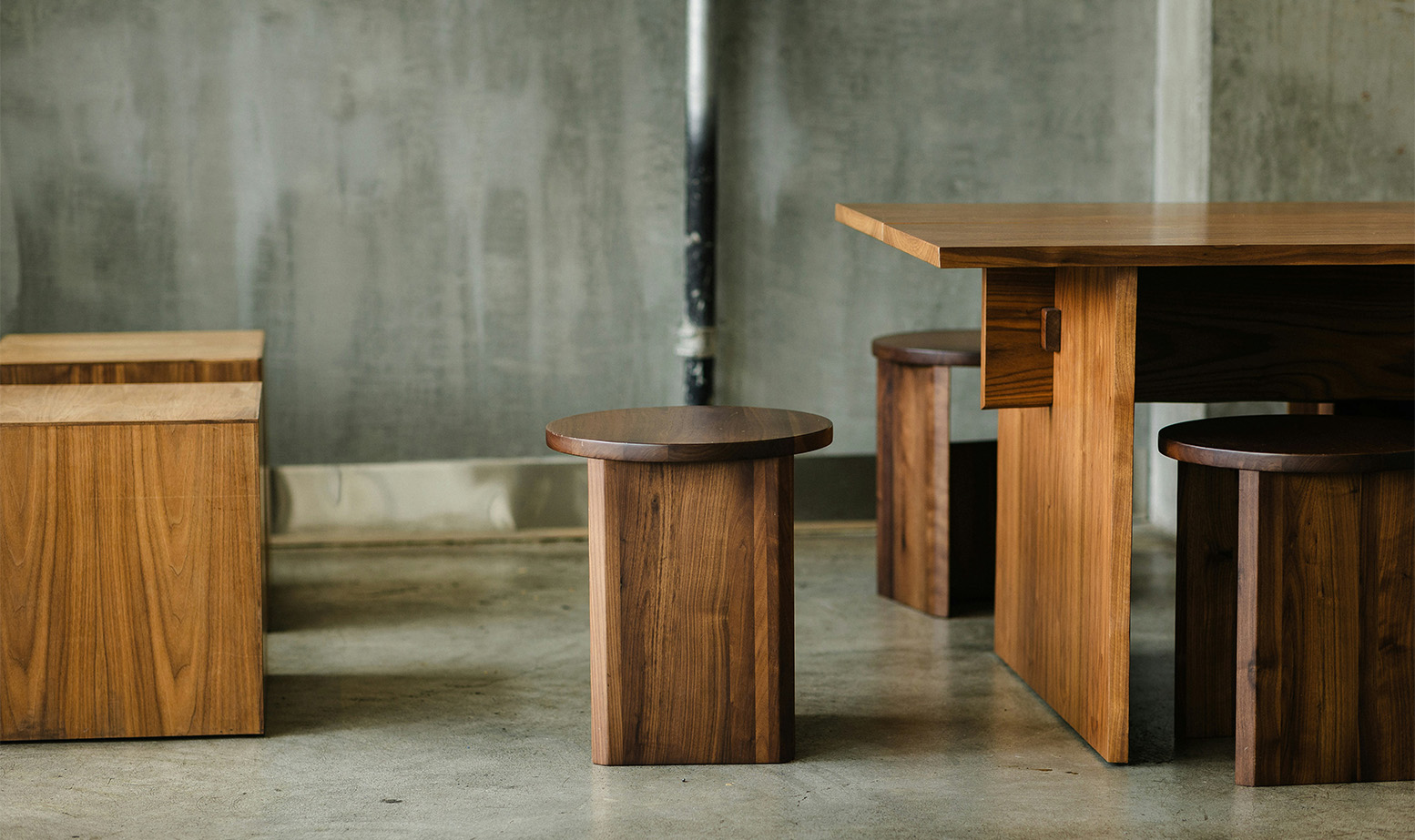
–Raw Japandi style: combines natural materials and soft light to create calm and balanced environments.
How to choose the right lighting for your home
There is no single right way to light a house, but there are some criteria that help to make better decisions.
The first thing is to think about the use of each space. A kitchen or a work area is not illuminated in the same way as a living room or a bedroom. In functional areas a more neutral and precise light is appropriate, while in rest areas it is better to opt for warmer and more enveloping lights.
Color temperature is also key: warm lights provide comfort and neutral lights work best in work areas. In addition, good lighting never depends on a single point of light: the ideal is to combine general, task and ambient lighting.
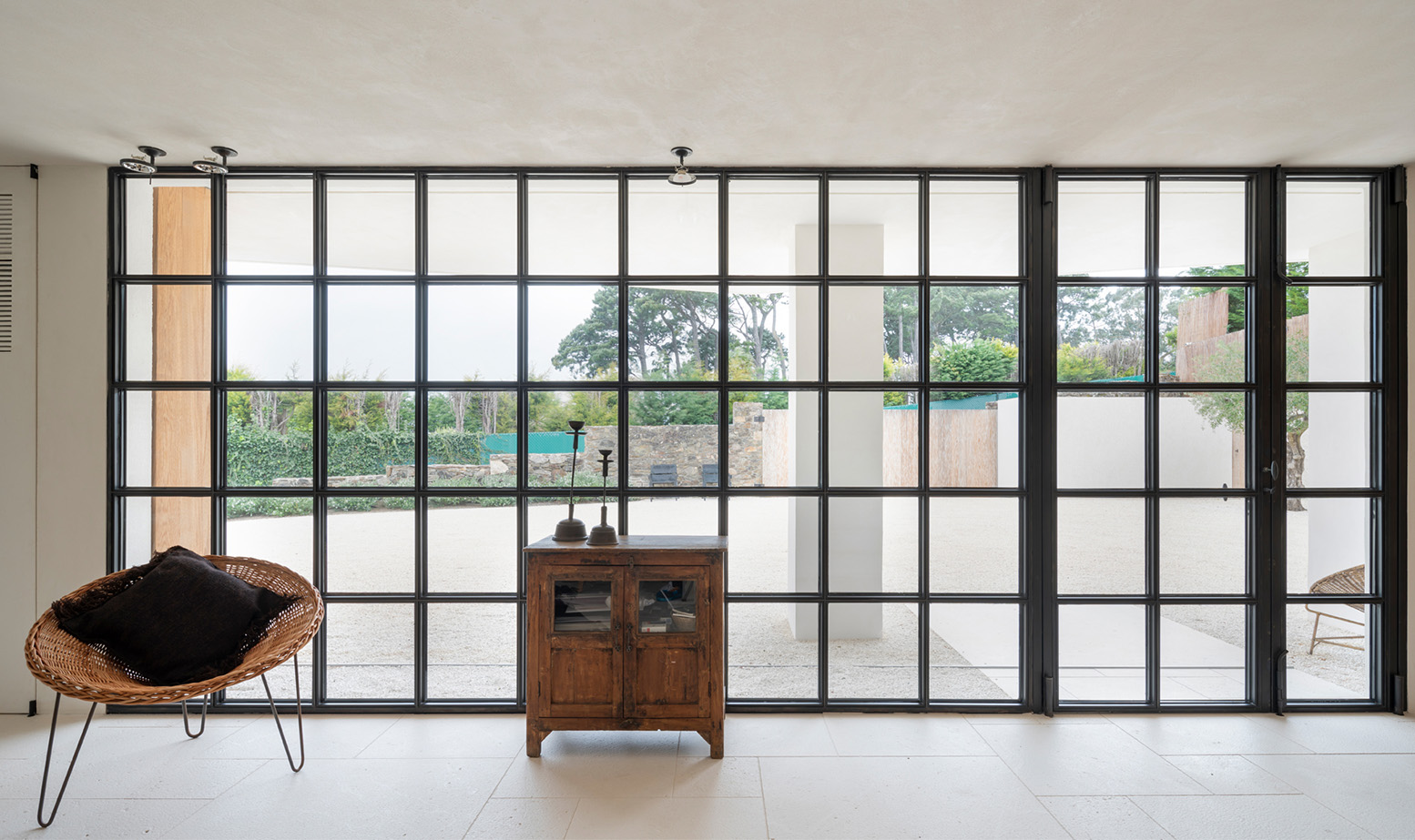
Whenever possible, it is advisable to take advantage of natural light and to accompany it with well thought-out artificial lighting. It is also important to take care of the size and position of the luminaires, avoiding glare or annoying reflections.
Overall, lighting should be thought of as part of the space, not as an add-on. Good lighting is not noticed: it is experienced.