Wabi-sabi is a Japanese philosophy that finds beauty in imperfection, nature, and the passage of time. When applied to the home, it creates serene, warm, and unpretentious spaces where every material and every object tells a story.
In this guide, you’ll learn what wabi-sabi is and where it comes from, what the key elements of this style are, how to apply it room by room in your home, and what mistakes to avoid—all so you can achieve that balance between calm and authenticity in your home, step by step.
What Is Wabi-Sabi?
Wabi-sabi is a way of viewing beauty that is based on simplicity, imperfection, and the passage of time. In interior design, this philosophy is reflected in natural, balanced, and uncluttered spaces, where materials retain their original characteristics and objects are valued for their history and authenticity.
Origins and Japanese Philosophy
Wabi-sabi has its roots in Japanese culture and is associated with an aesthetic sensibility that values simplicity, purity, and imperfection. Although there is no exact translation into Spanish, both terms are linked to ideas such as simplicity, restraint, acceptance of the passage of time, and the beauty of imperfection.
This approach to aesthetics is closely linked to Japanese tradition, particularly the tea ceremony and the appreciation of handcrafted objects that bear signs of use, imperfections, and natural materials.
Principles of Wabi-Sabi
Wabi-sabi decor is based primarily on three concepts: imperfection, impermanence, and simplicity.
Imperfection adds value to objects that have irregularities, marks, or minor flaws. In wabi-sabi, these characteristics make each piece unique and natural.
Impermanence reflects the idea that everything changes over time. That is why aged objects and the traces that reveal their history and evolution are valued.
Simplicity aims to create calm, uncluttered spaces. Few elements, natural materials, and neutral colors are used to achieve a balanced and welcoming atmosphere.
This means accepting that materials age, that objects may have minor imperfections, and that a home doesn’t need to be perfectly tidy or filled with decorative items to feel welcoming.
Key Elements of the Wabi-Sabi Style
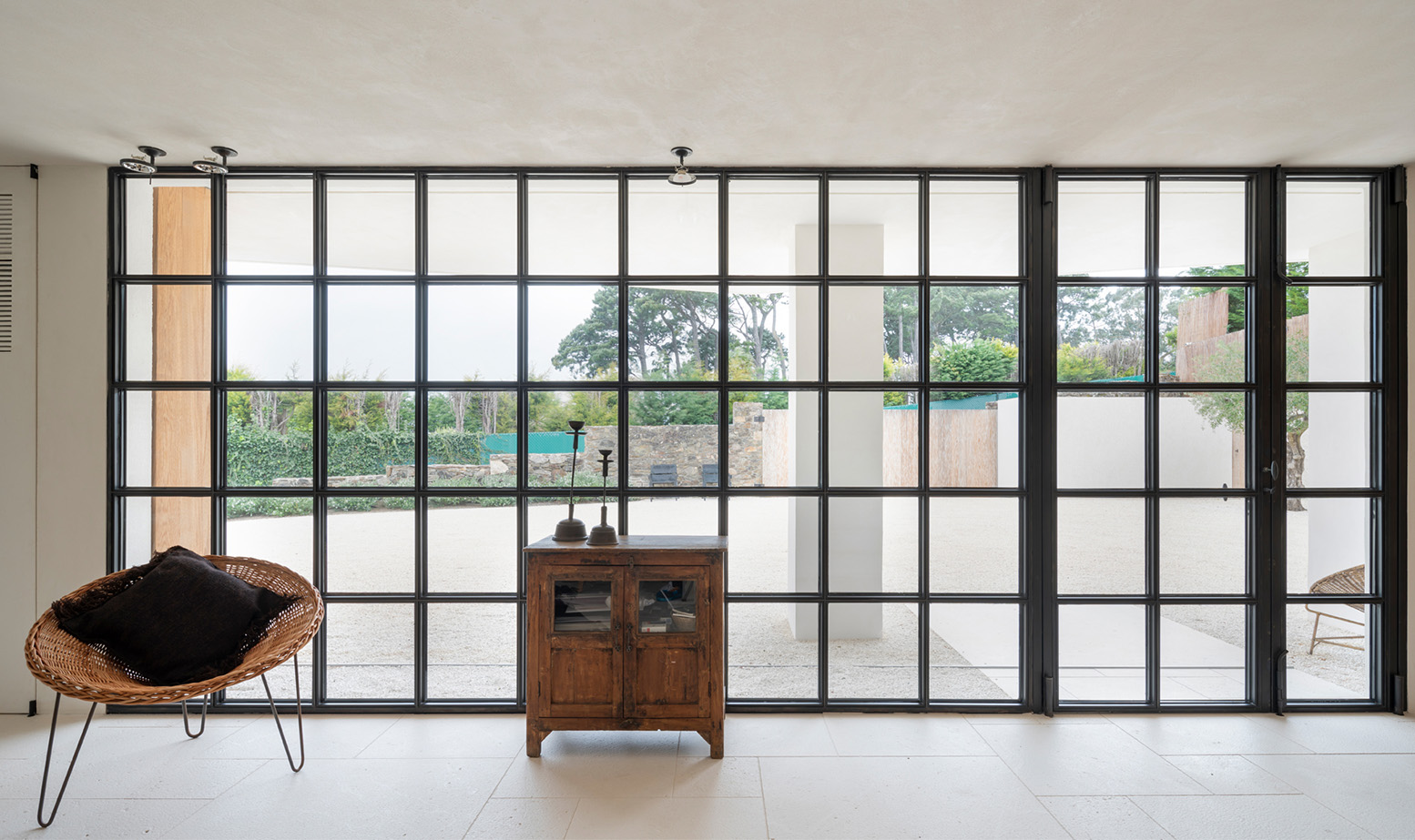
One of the key aspects is embracing natural materials and imperfect textures, such as wood, stone, handcrafted ceramics, linen, or plant fibers. Rather than seeking completely uniform surfaces, wabi-sabi values the grain, cracks, irregularities, and small marks that show the passage of time and add character.
Wabi-sabi encourages us to reduce visual clutter and appreciate empty space: leaving areas uncluttered, selecting objects with care, and prioritizing what truly brings a sense of well-being.
Natural Materials and Textures
Wood, stone, ceramics, linen, cotton, and other natural fibers work particularly well with this style. The key is to choose materials that retain their natural texture and appearance, avoiding overly artificial or glossy finishes.
Rough surfaces, visible grain, handcrafted pieces, and small irregularities add depth and give each item its own unique character.
Wabi-sabi Colors
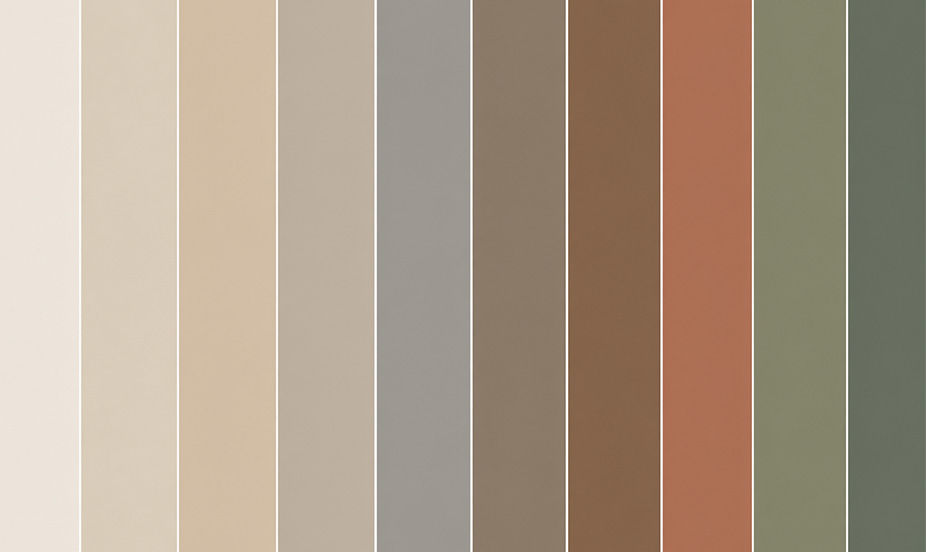
The wabi-sabi color palette is inspired by the colors found in nature. Neutral and earthy tones predominate, such as beige, sand tones, off-white, stone gray, brown, terracotta, and muted greens. These colors convey a sense of calm, simplicity, and connection with the natural environment.
Rather than using many colors, the goal is to create a balanced and soothing combination that highlights the chosen textures and materials. For this reason, colors are typically combined in a subtle way, avoiding overly strong contrasts or excessively bright colors.
It is common to incorporate slight variations in tone, as wabi-sabi values naturalness and imperfection. Colors do not have to be completely uniform; instead, they can feature nuances and variations that add depth and character to the space.
Furniture and Imperfect Pieces
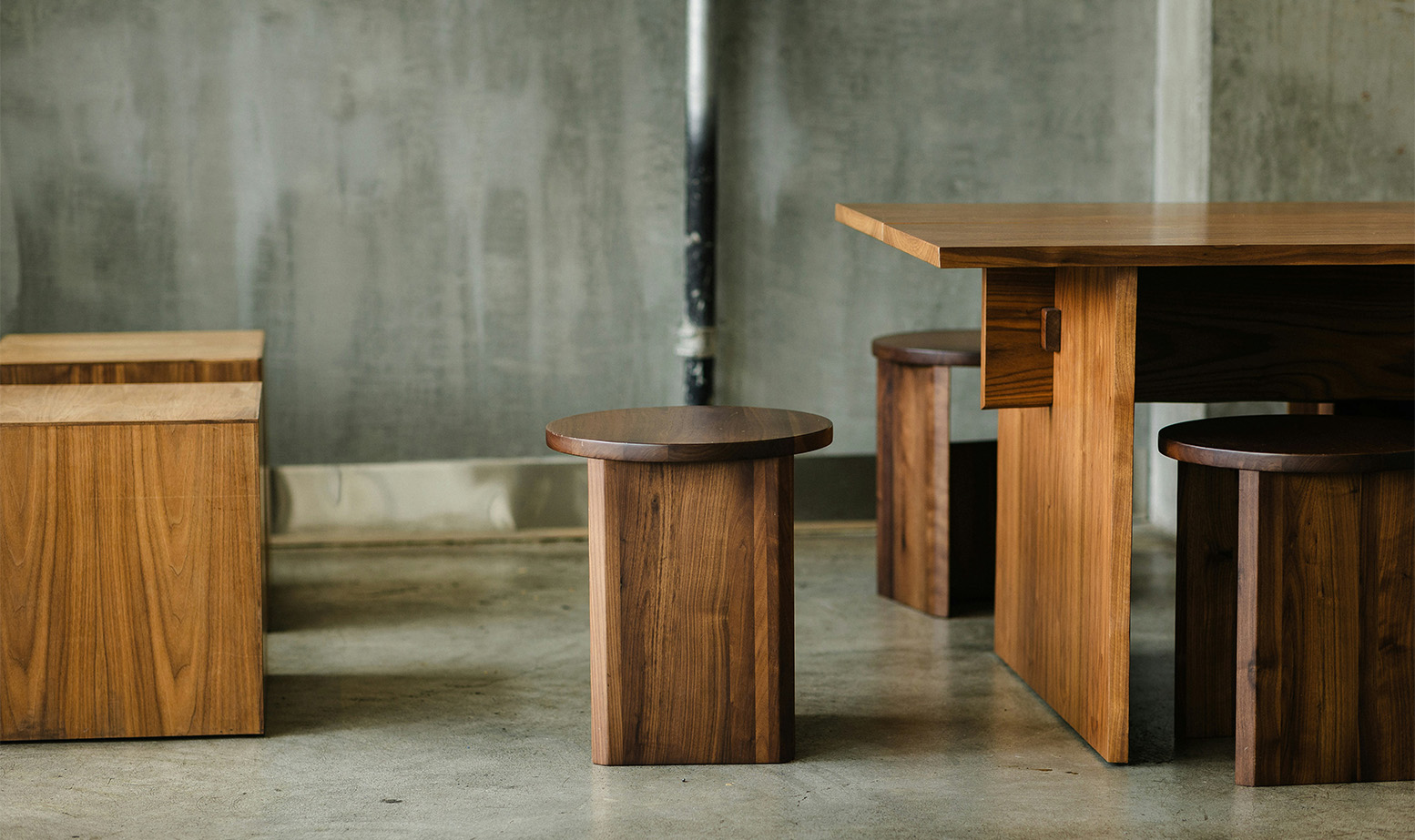
Wabi-sabi-style furniture typically features simple, functional designs. Weathered wood, handcrafted finishes, and organic shapes help create that natural, relaxed look.
Pieces with a story behind them are especially important: an antique table, a handmade ceramic piece, or a restored object can add character to the space without the need for excessive decoration.
To combine an antique piece with modern furniture without it looking out of place, it’s important to maintain a certain harmony in materials, colors, and shapes. An antique table or piece of furniture can stand out alongside modern pieces if you choose neutral tones and simple designs. This creates a balanced contrast that adds personality to the space without disrupting the wabi-sabi aesthetic.
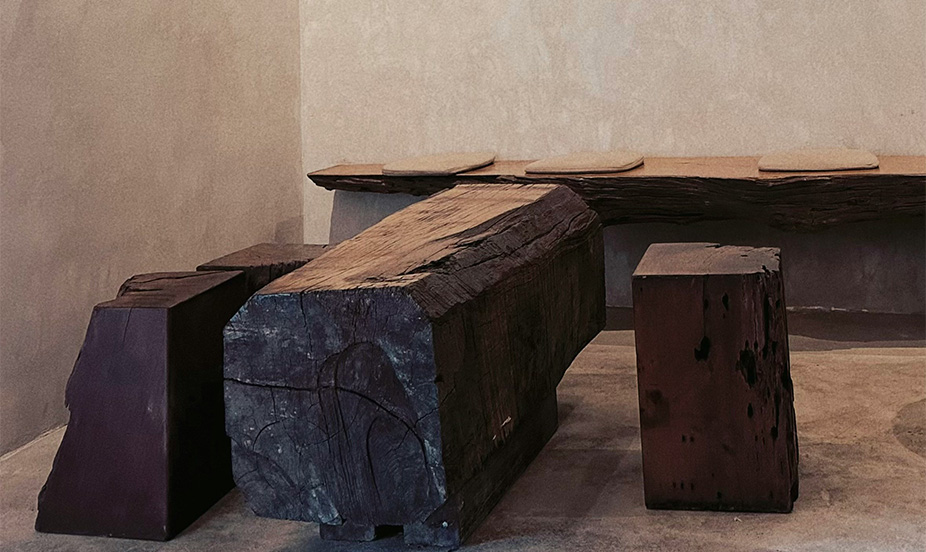
Wabi-sabi in Interior Design
Applying wabi-sabi to interior design means adapting its principles to the needs of each space. The goal is not to literally replicate a Japanese aesthetic, but to bring its philosophy into the home in a natural way. That’s where interior design makes a difference: defining the layout, materials, and proportions before deciding what to buy prevents the result from being merely a decorative layer. The result is spaces that are less rigid and more human, where beauty is found precisely in the imperfect, the natural, and the everyday.
Wabi-sabi by Room
This style can be adapted to every room in the house, always maintaining a natural, simple, and balanced aesthetic. The choice of materials, colors, and decorative elements allows this philosophy to be applied to different spaces without losing its essence.
- Living Room: Wooden furniture, natural textiles, warm lighting, and simple decor. A handcrafted piece can serve as a focal point without overwhelming the space.
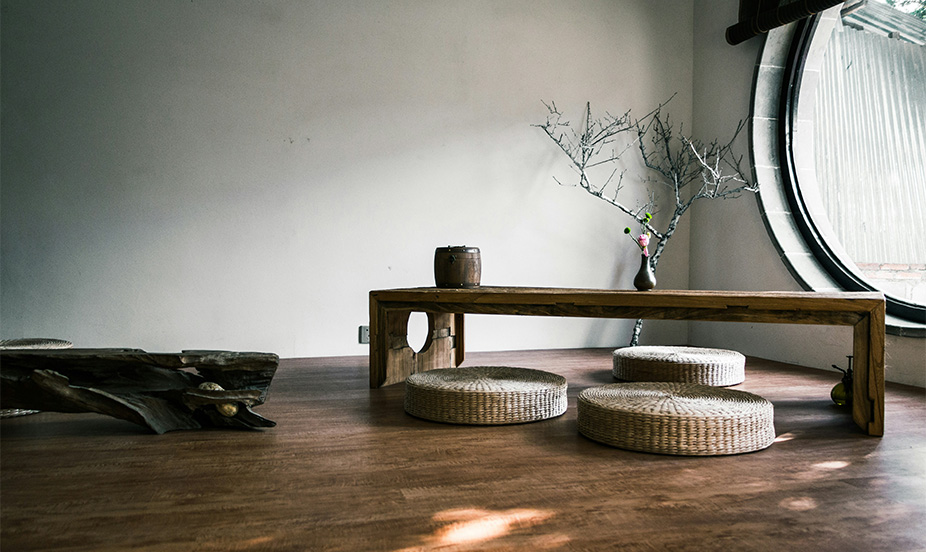
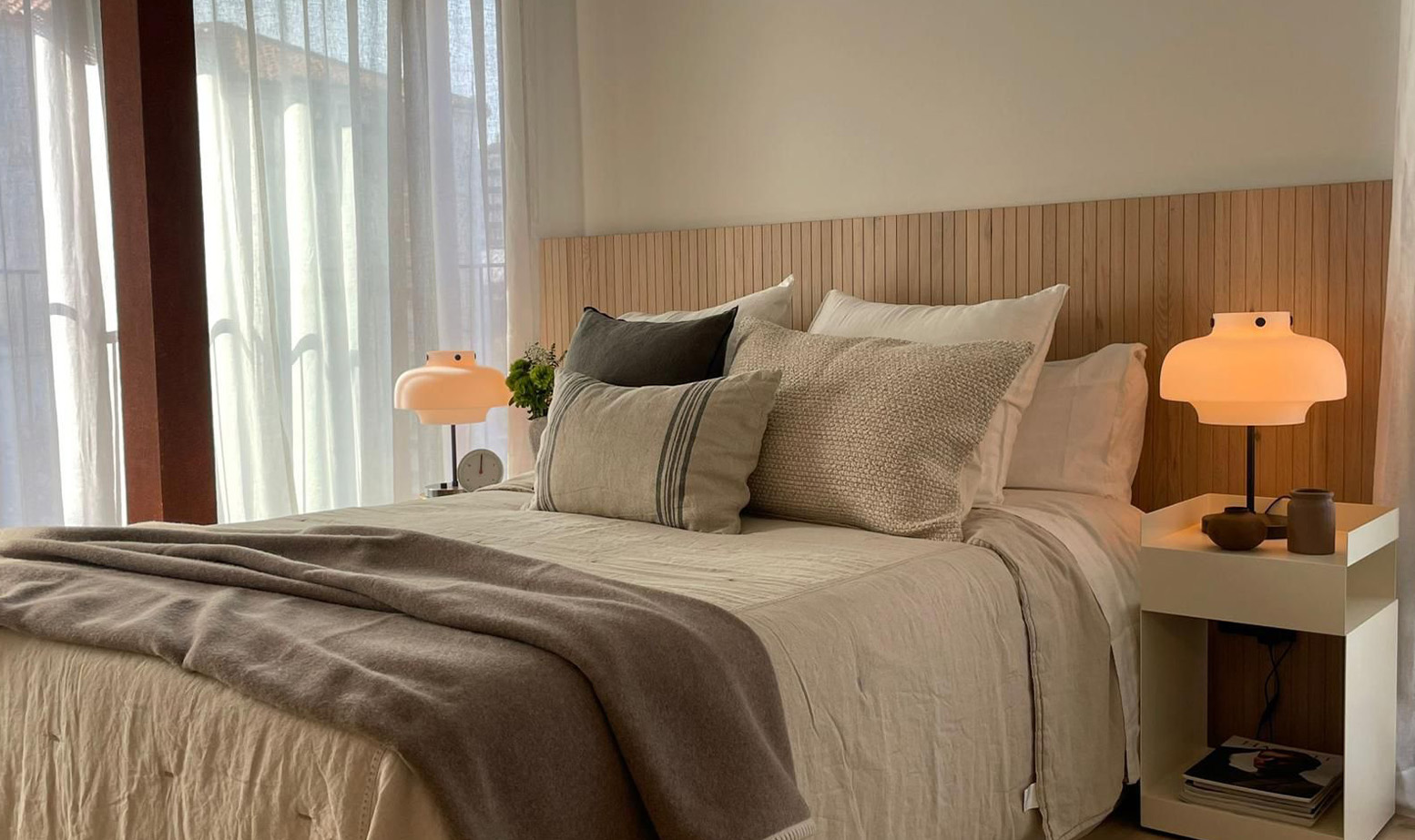
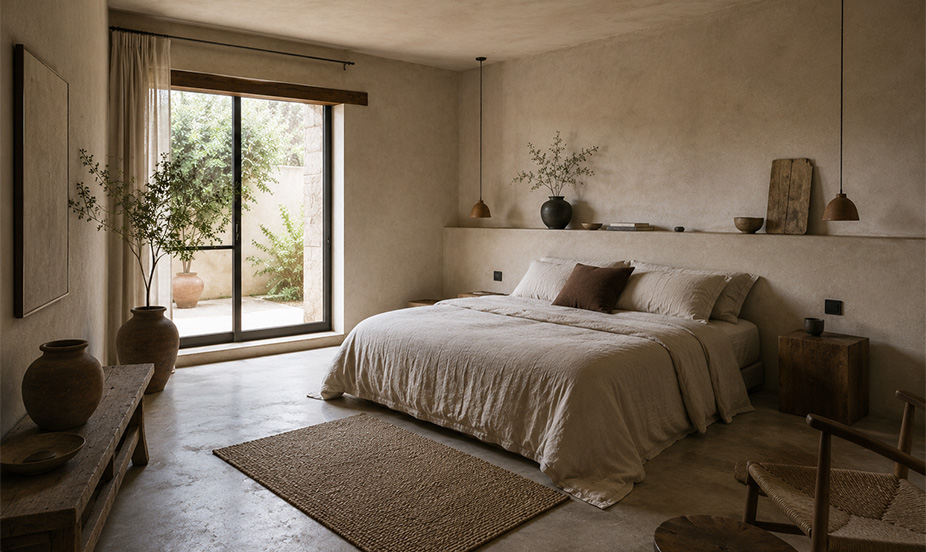
- Bedroom: Use linen or cotton bedding, neutral colors, and minimal decorative elements. The combination of natural textures, wood, and soft lighting helps create a relaxing atmosphere.
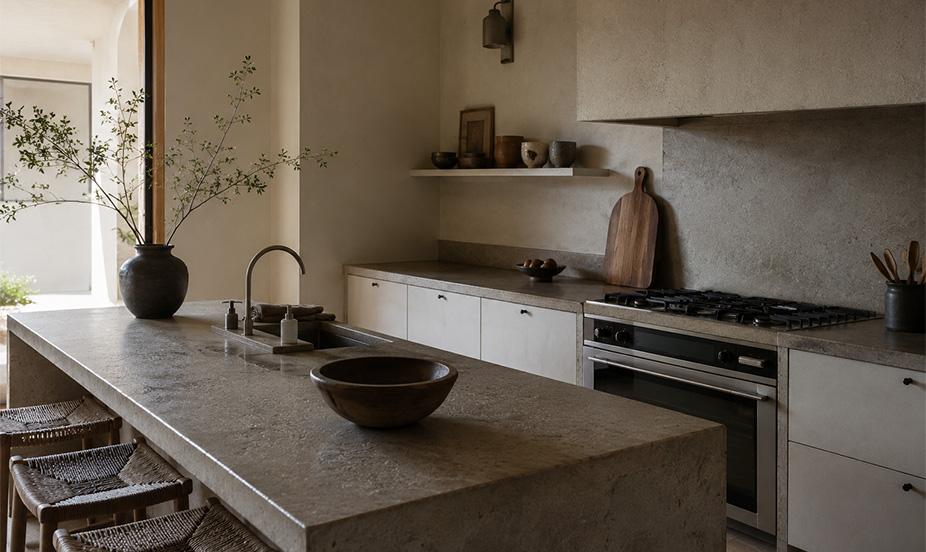
- Kitchen: Incorporate wood, stone, handcrafted ceramics, and utensils that can be left on display. Matte finishes, simple shapes, and the slight imperfections in the materials reinforce the wabi-sabi aesthetic.
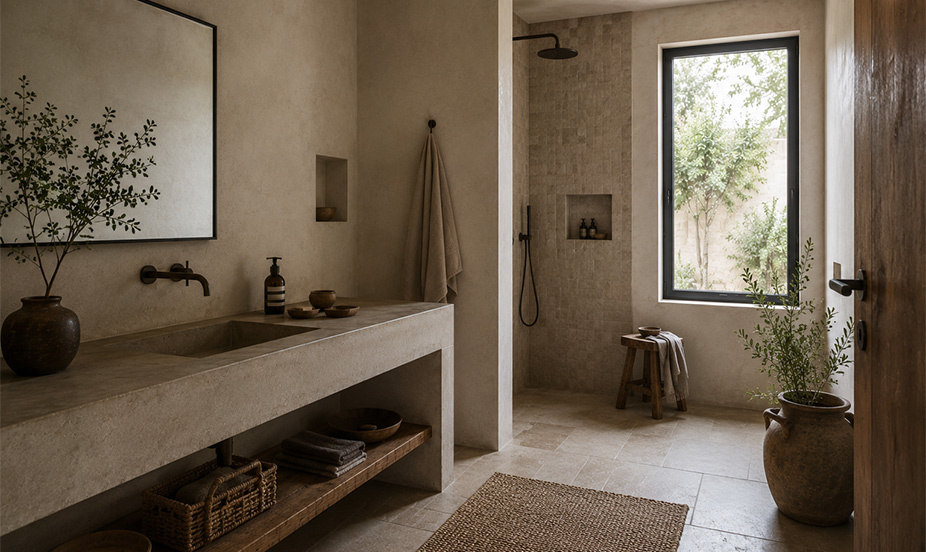
- Bathroom: Stone, wood, and natural tones can help create a more serene space. It’s best to avoid too many elements and opt for functional solutions, textured materials, and soft lighting.
Mistakes to Avoid
One of the most common mistakes is confusing wabi-sabi with a minimalist decor that is entirely white and devoid of objects. Although both styles share a sense of simplicity, wabi-sabi places great importance on texture, imperfection, and the passage of time.
It’s best to avoid buying new items just to achieve this aesthetic. The wabi-sabi philosophy encourages us to appreciate what we already have, to repair rather than replace, and to choose pieces that serve a purpose or hold meaning.
Step-by-Step Wabi-Sabi Decorating
Incorporating the wabi-sabi style into your home can be done gradually, without having to replace all your furniture or follow strict rules. The result should be a comfortable and authentic space, where the decor doesn’t strive for perfection but rather conveys balance, calm, and a connection to nature.
- Cut back on clutter: Get rid of unnecessary items and keep the ones you use or that hold special value.
- Go for a natural look: incorporate wood, stone, ceramic, linen, or plant-based fibers, along with a palette of neutral and warm tones.
- Incorporate pieces with personality: handmade, antique, or upcycled items add character and make the space feel more authentic.
- Appreciate imperfection: irregular veins , asymmetrical tiles, or signs of wear and tear are not flaws, but part of the beauty of wabi-sabi.
Wabi-sabi reminds us that a home doesn’t have to be perfect to be beautiful and welcoming. Choosing natural materials, pieces with a history, and less cluttered spaces allows us to create more personal, serene environments designed to be enjoyed over time.
Do you like this kind of content? Find more inspiration for your home on our Instagram and discover our projects, where design, materials, and furniture come together to create spaces with personality.