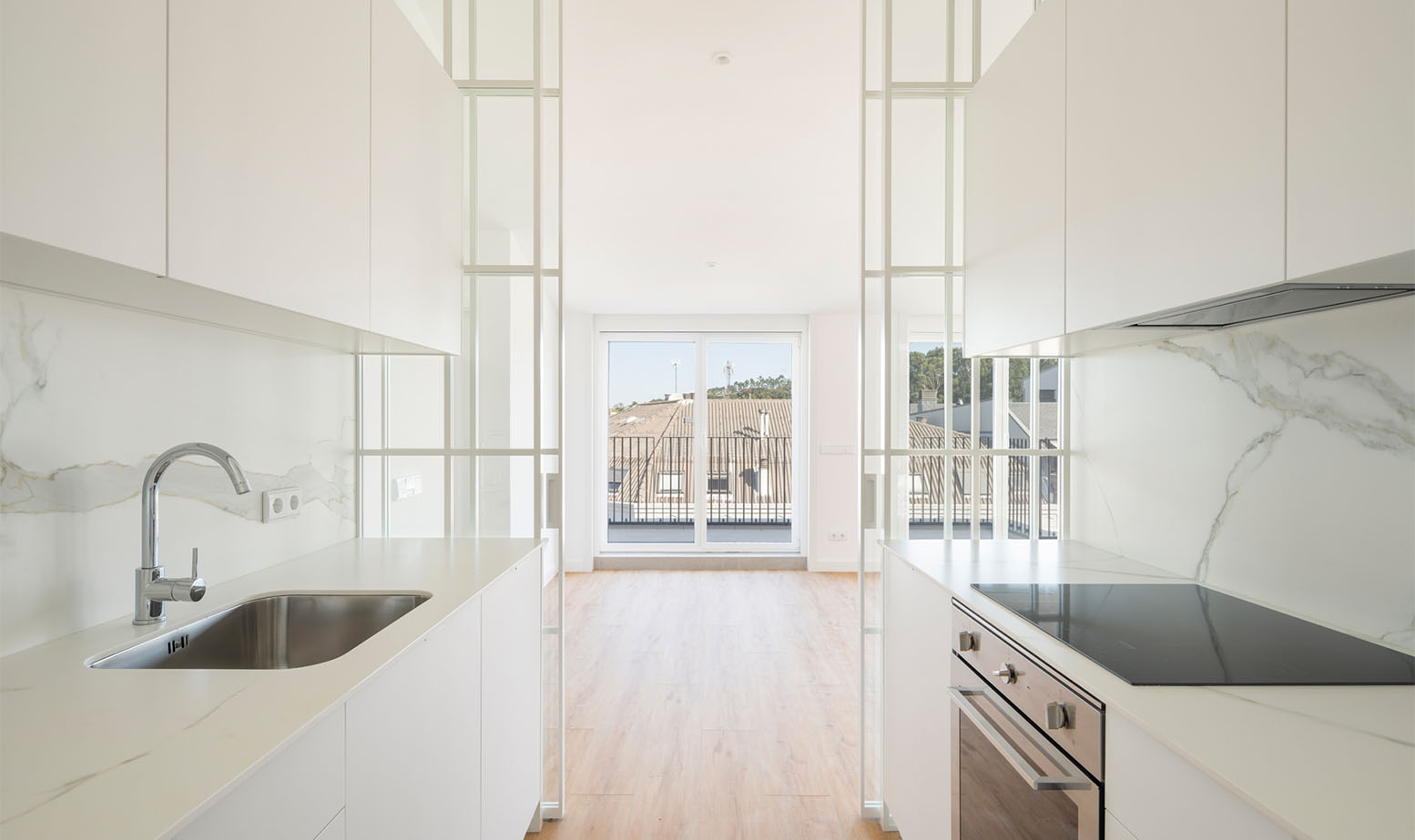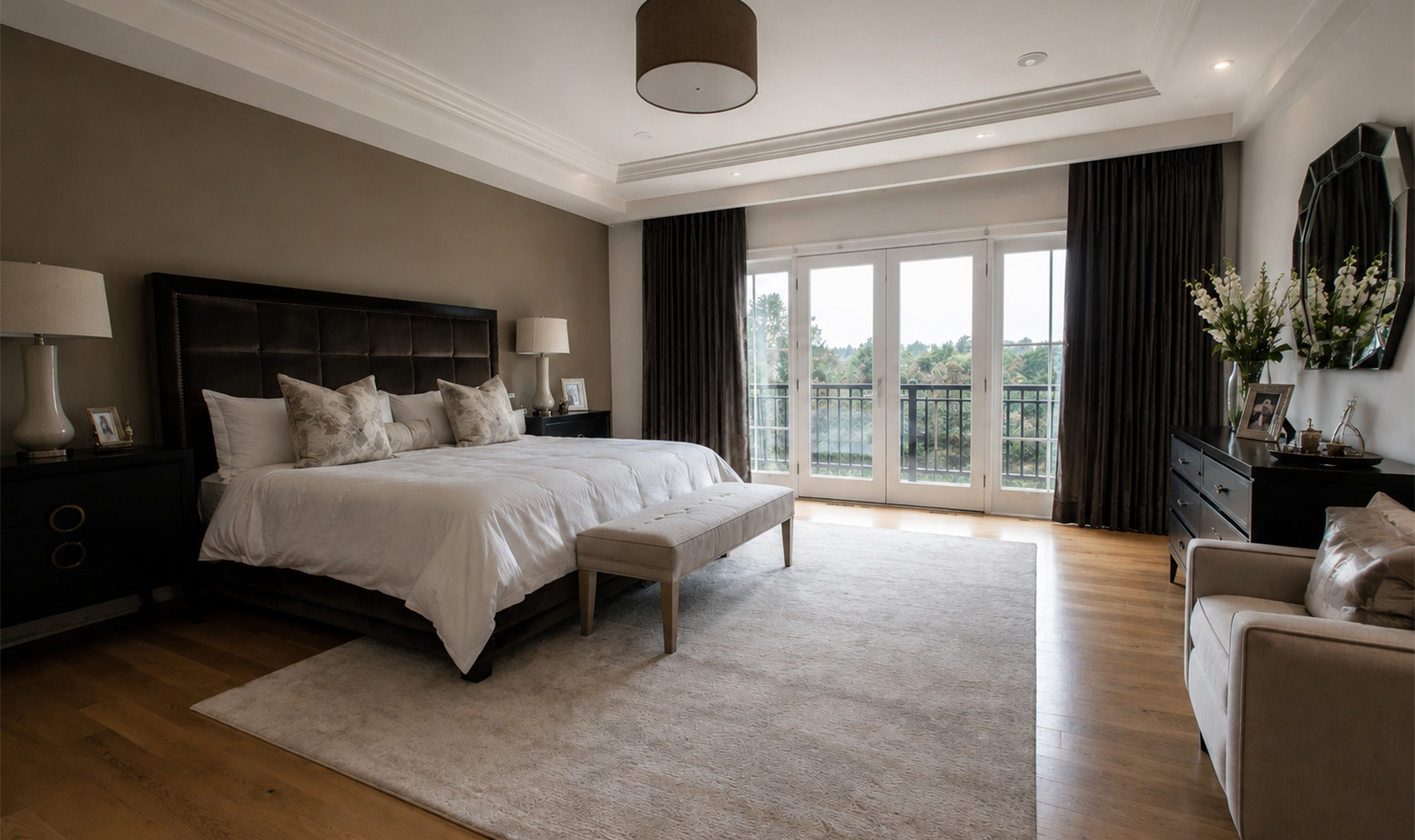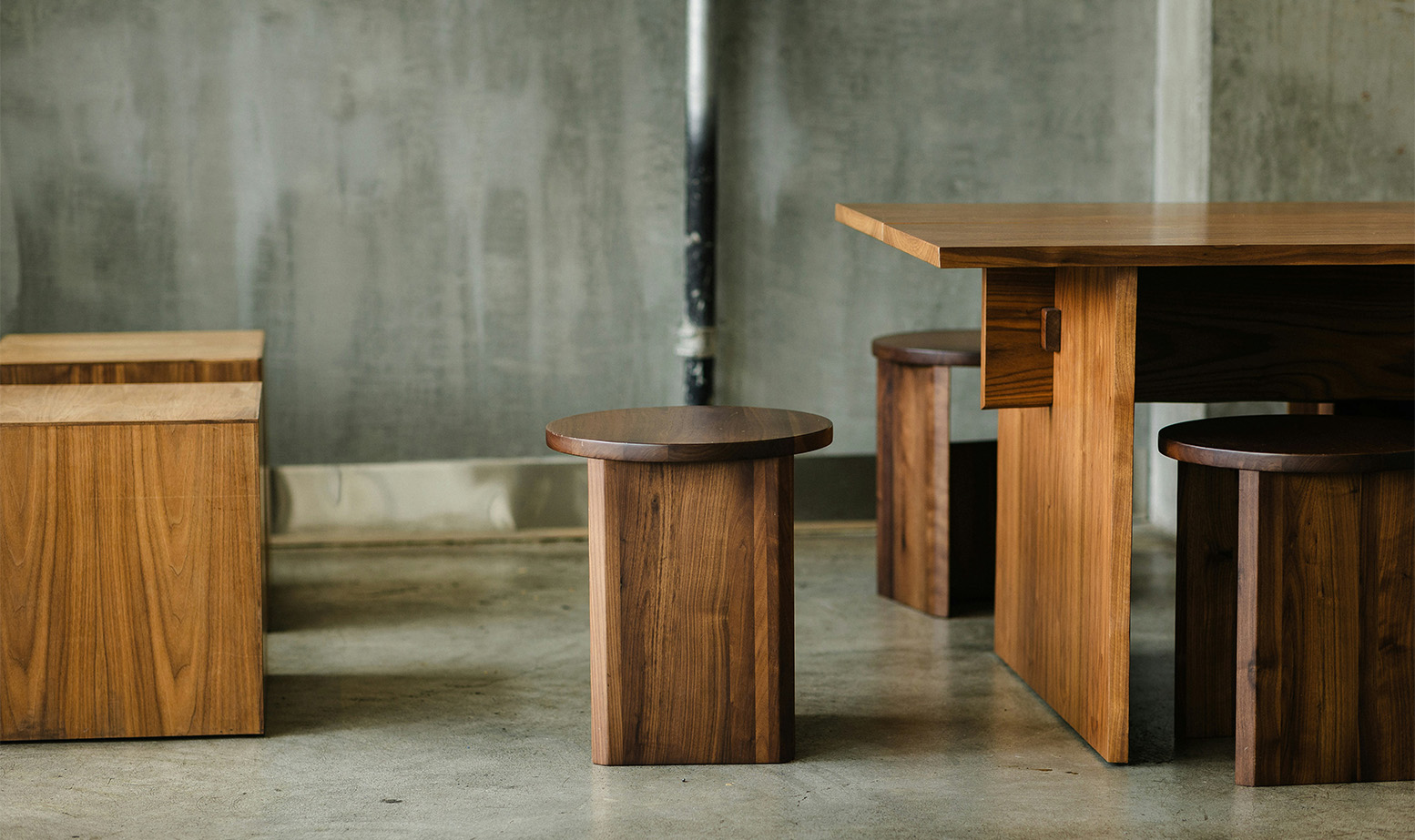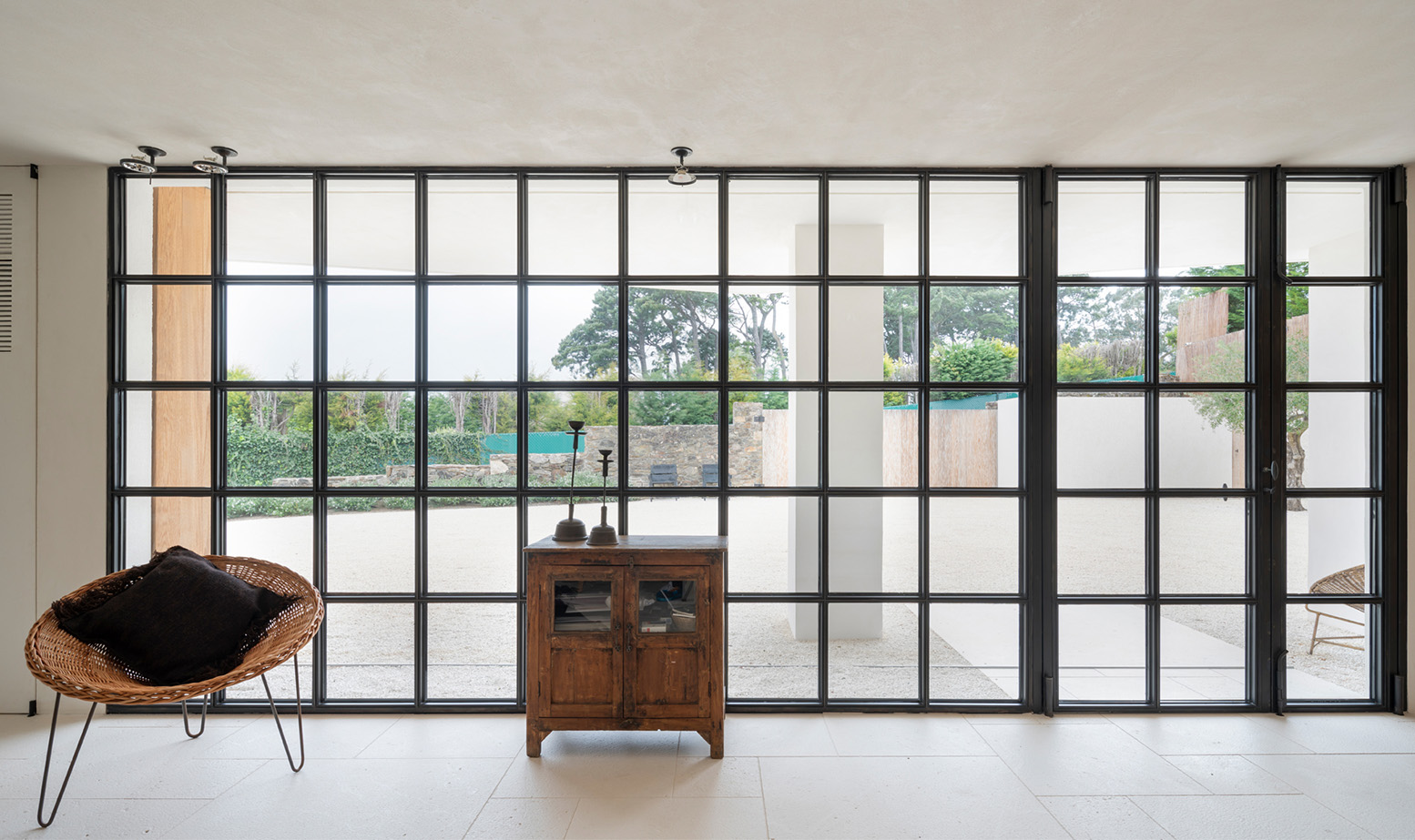
Biophilic design is based on a simple idea: we feel a sense of well-being when we’re close to nature. Bringing that connection into your home—through natural light, plants, organic materials, and textures that evoke the natural environment—transforms any space into a healthier, more serene, and welcoming place. In this guide, we’ll explain exactly what it is and how to apply it to your home.
What Is Biophilic Design?
The biophilic style is a trend in interior design and architecture that seeks to strengthen the connection between nature and the home. To achieve this, it combines various elements such as natural light, vegetation, and natural materials.
The goal is not to fill the house with plants, but to create an atmosphere that conveys a sense of being in touch with the natural environment, promoting relaxation, concentration, and well-being.
Characteristics of Biophilic Design
Biophilic design combines various elements to create spaces that are more natural, balanced, and inviting. Natural light and plants are two of its cornerstones, complemented by materials such as wood, stone, and plant fibers, which add warmth and authenticity.
Colors inspired by nature—such as earth tones, greens, and sandy hues—predominate, along with natural textures and a layout that promotes spaciousness, ventilation, and a connection to the outdoors. The result is a more comfortable and pleasant living environment for everyday life.
Biophilic Architecture at Home
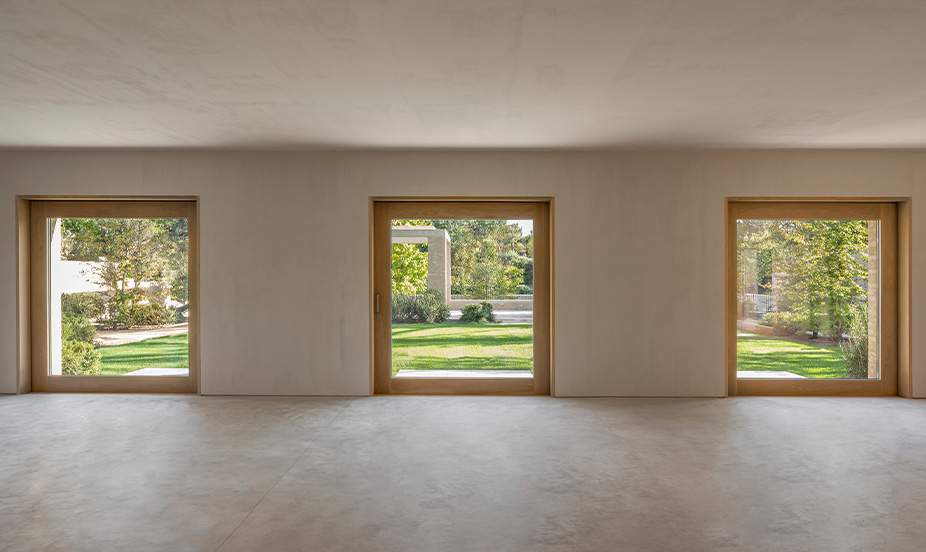
Biophilic architecture goes a step beyond mere decoration, as it incorporates nature into the very design of the home. Whenever possible, priority is given to ample natural light, cross-ventilation, interior courtyards, gardens, terraces, or large windows that provide a visual connection to the outdoors.
These principles can also be applied to renovations or existing homes—such as rearranging furniture to make better use of natural light, removing visual barriers , or using glass doors— which helps create a sense of greater spaciousness and connection with the surroundings.
How to Create Biophilic Spaces
You don’t need to undertake major renovations to incorporate biophilic design into your home; small, well-planned changes can transform the atmosphere and make it much more pleasant. Here are some interesting points to keep in mind regarding biophilic design:
Natural light and ventilation
Natural lighting is one of the cornerstones of biophilic design. Whenever possible, it’s best to keep windows unobstructed, use sheer curtains, and allow light to enter for as many hours of the day as possible.
Ventilation also plays a key role; regularly refreshing the air improves comfort and helps create a feeling of freshness and well-being.
Plants and natural materials
Plants are obviously the most characteristic element of the biophilic style; they add color and life and help create more relaxing and welcoming environments.
You don’t need to fill your entire home with plants; just a few well-placed ones in the living room, bedroom, or entryway can make a big difference.
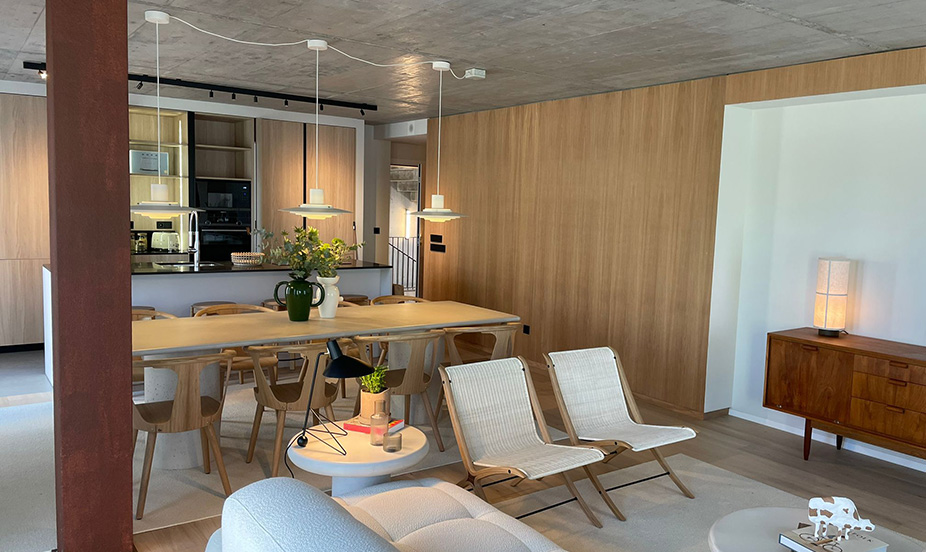
To enhance the effect, it is recommended to combine the plants with materials such as:
- Natural wood.
- Rattan or wicker.
- Linen and cotton.
Organic Colors and Textures
The color palette of biophilic design draws direct inspiration from nature. Green tones evoke vegetation, while earth tones—such as beige, sand, terracotta, and stone gray—create calm and balanced atmospheres.
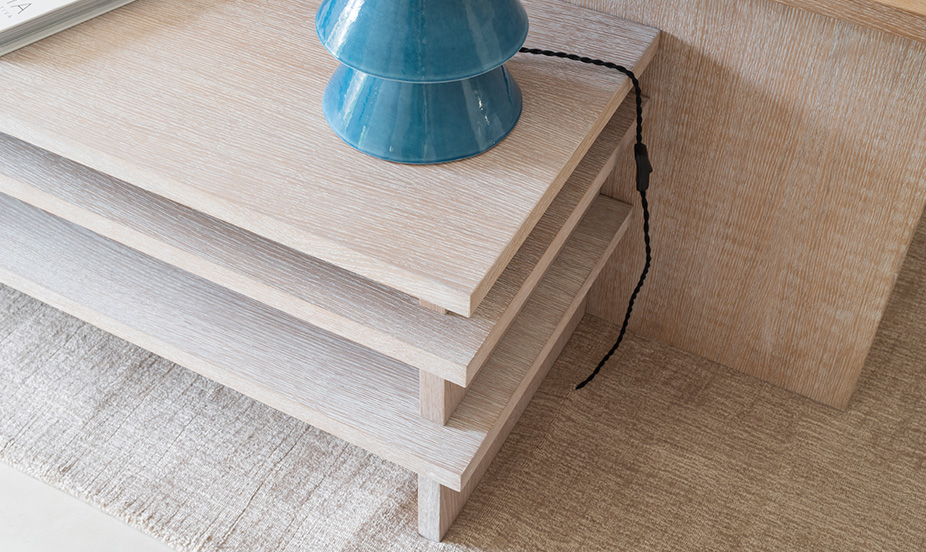
It is a good idea to incorporate natural textures using rugs made of plant fibers, linen fabrics, wooden furniture with visible grain, or handmade ceramic pieces. These small touches add visual depth and make spaces feel more inviting.
Benefits of Biophilic Design
Various studies link nature-inspired spaces to a greater sense of well-being and comfort. Incorporating biophilic design into your home offers benefits that go beyond aesthetics:
- Reduces stress: Seeing plants, natural light, and organic materials helps relieve tension and promotes a sense of calm.
- Improves concentration and sleep: Natural environments help you stay focused during the day and sleep better at night.
- Reduces eye strain: Natural light and soft tones are less tiring on the eyes than cold artificial lighting.
- Improves air quality: good ventilation and the presence of plants contribute to a cleaner, fresher environment.
- Create healthier, more balanced homes: all of this adds up to more pleasant spaces for everyday life.
If you’re interested in this type of content on interior design, we recommend reading the post on the 10 most popular interior design styles on our website. And if you’d like to take the plunge and apply these ideas to your home, contact us to learn more about our interior design and consulting services.