Decorating a living room well can completely transform the feel of your home, because it’s the space where we spend the most time and where we welcome our guests. Knowing how to decorate a living room isn’t just about choosing attractive furniture; it’s about combining color, lighting, layout, and proportions to create a comfortable and harmonious space. In this guide, drawing on our experience designing real homes, we’ll explain how to make each decision based on the size and shape of your living room—whether it’s small, square, rectangular, or spacious. By the time you finish reading, you’ll understand the keys to creating a modern and elegant living room that fits your lifestyle.
Where to Start
Before buying furniture or deciding on a color scheme, it’s important to assess the available space and plan a coherent layout. A good plan from the start will help you avoid mistakes and lead to a much more harmonious result.

Define Your Decorating Style
The first step is to define the style that best suits your lifestyle, taking into account both your personality and the architecture of your home.
For example, a modern and elegant living room typically features high-quality materials, clean lines, and a balanced color palette.
The key is to maintain visual consistency across all elements. Some styles that work particularly well are:
- Nordic design with plenty of natural light.
- Contemporary Mediterranean style.
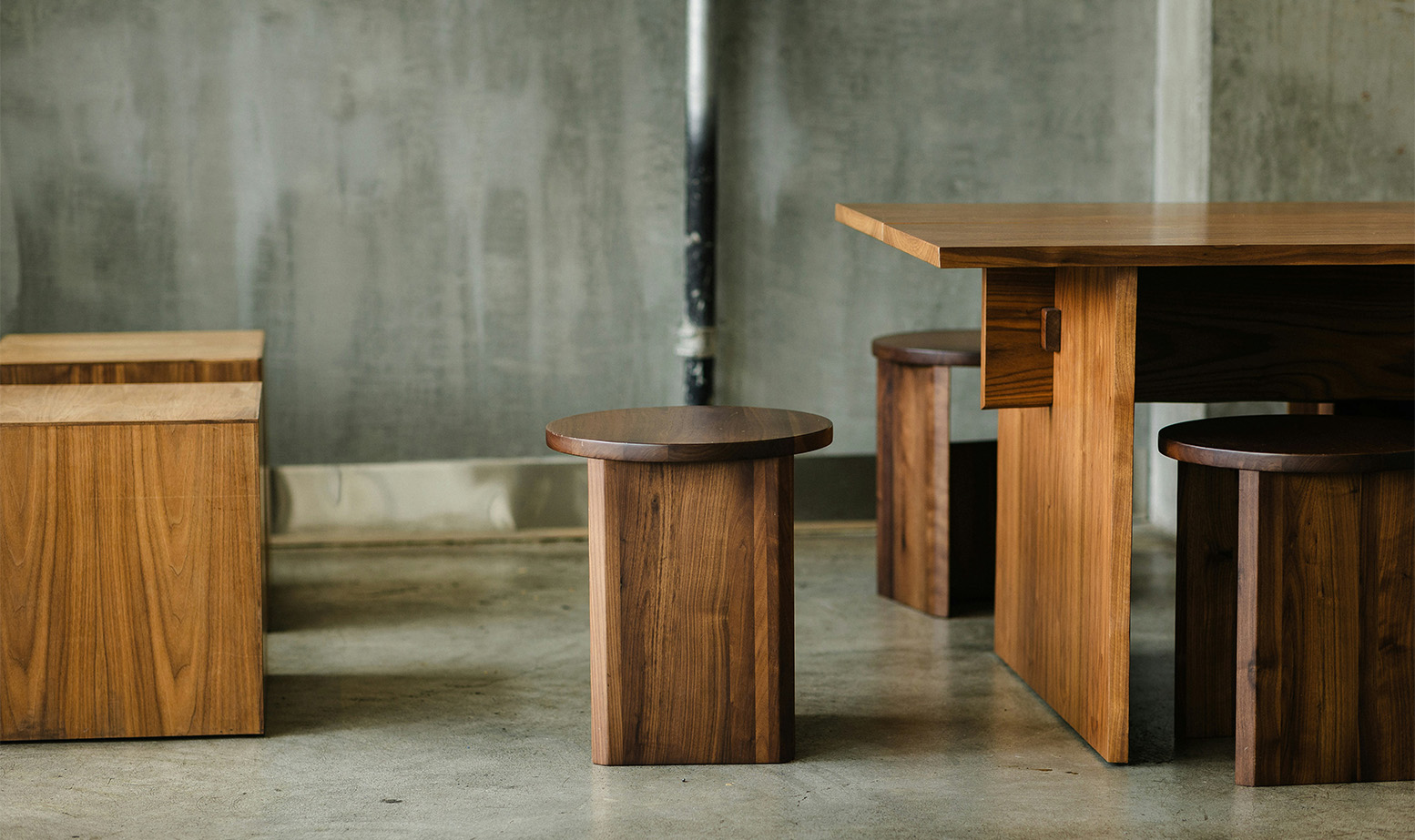
- Industrial style with metallic finishes and warm textures.
Plan the distribution
A well-planned layout allows you to make better use of the space, improve traffic flow, and create a more comfortable and functional environment, regardless of the size of the living room.
Before arranging the furniture, it is important to consider factors such as:
- Entrances and walkways.
- The placement of windows and sources of natural light.
- The needs of those who will use the space.
- The dimensions and proportions of the room.
How to Furnish a Living Room
How you furnish a living room will depend mainly on its size, the amount of natural light it receives, and how the space will be used.
Square Living Room
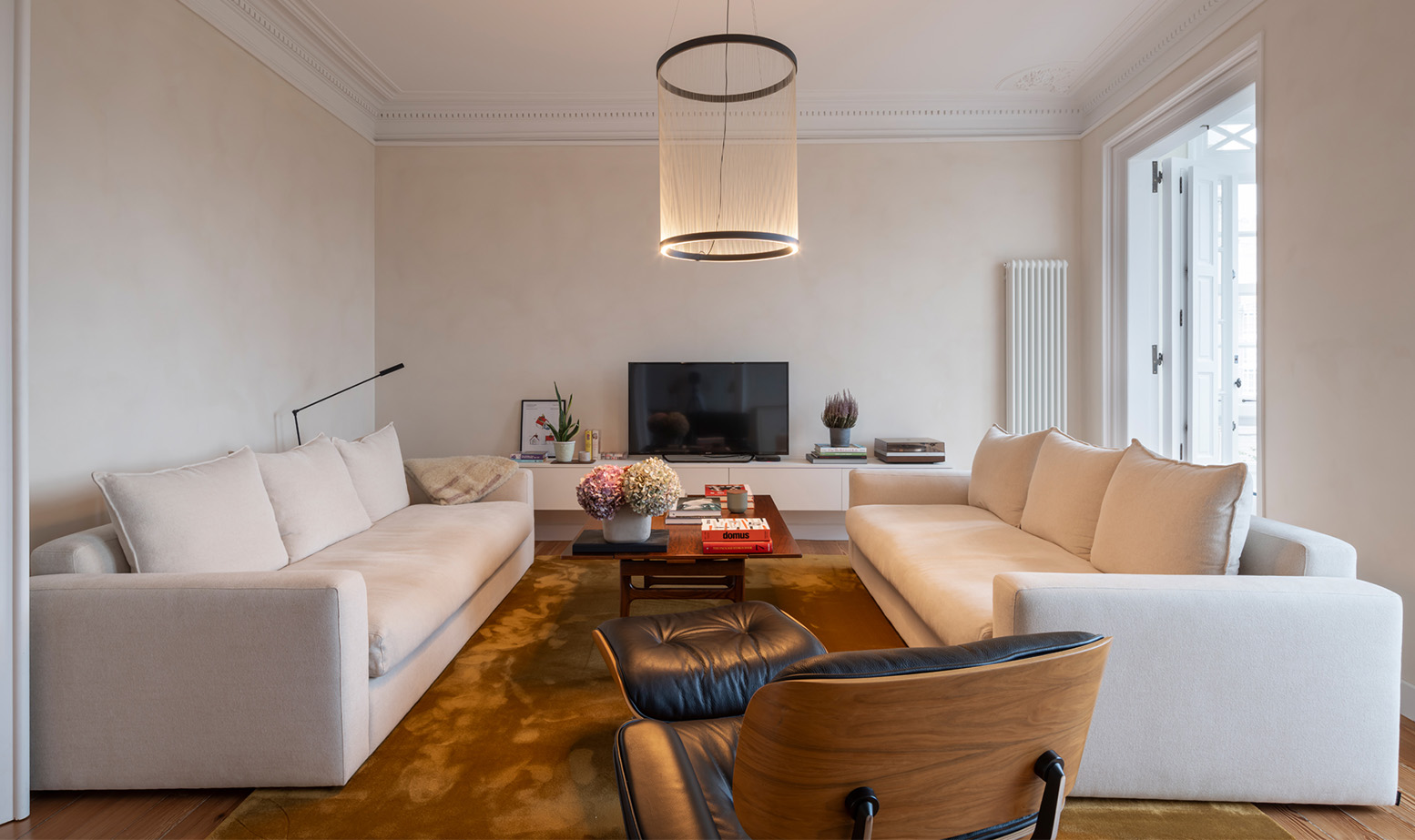
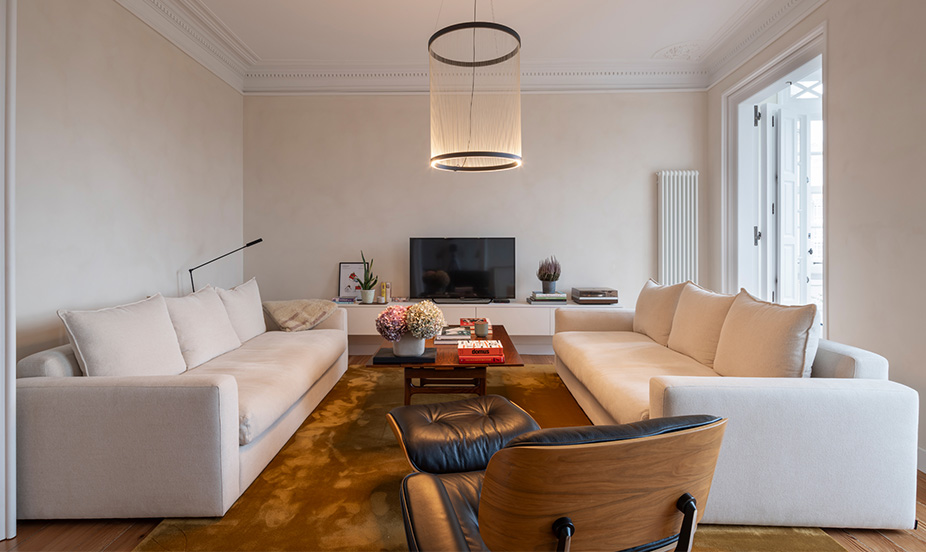
Square rooms allow you to create layouts that are visually balanced and harmonious; symmetry usually works quite well in these cases.
Here are some recommendations for furnishing a square living room:
- Use a rug to define the living area.
- Use lightweight side tables so as not to clutter the space too much.
- Maintain proportional distances between the elements.
Rectangular living room
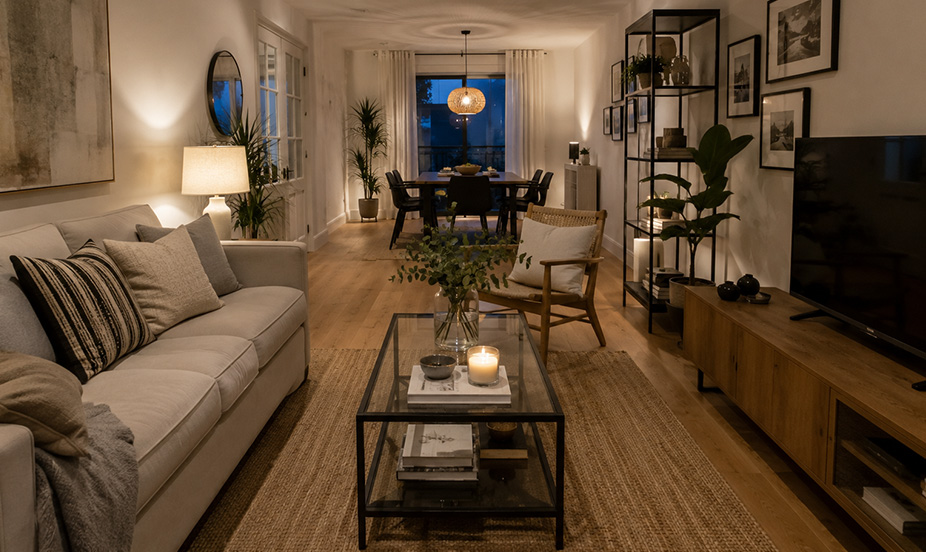
In rectangular rooms, it’s important to avoid the “corridor” effect.
To achieve this, it’s best to visually divide the space into different zones based on their function. You can do this using rugs, lighting, or the arrangement of the furniture itself, as well as by incorporating decorative elements that add depth to the walls.
Large living room
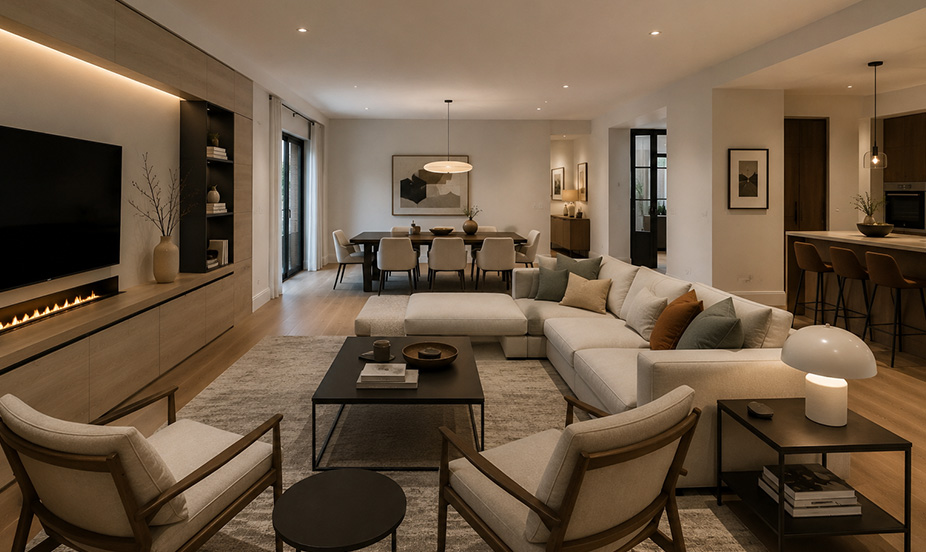
Spacious living rooms offer many possibilities, but one drawback is that they can feel empty if they aren’t designed well. The key in these cases is to fill the space appropriately, while being careful not to overcrowd it.
To get the most out of them, you should:
- Create distinct atmospheres, as we mentioned earlier.
- Use modular or large sofas.
- Furniture pieces with a striking visual presence.
How to Decorate a Small Living Room
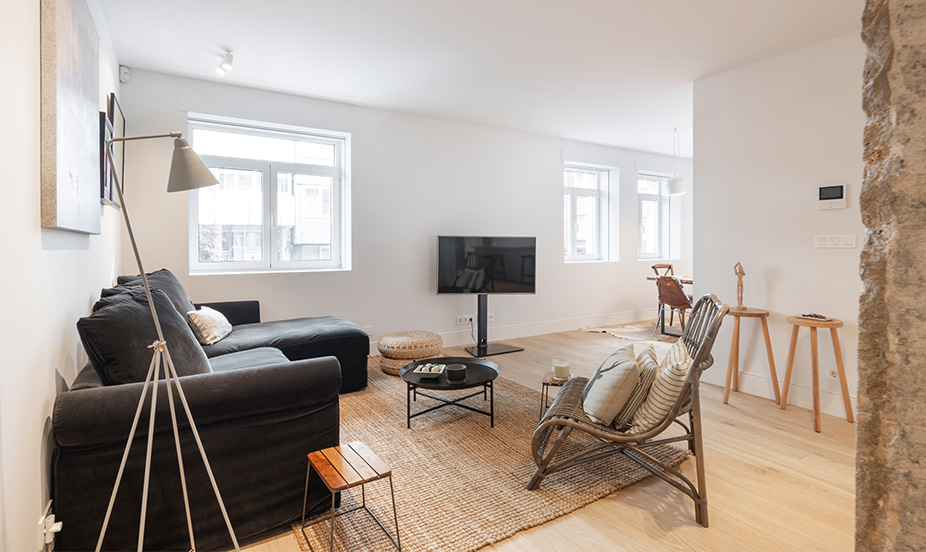
A small living room can be just as elegant as a large one if the design is well planned; fewer, but more carefully selected, elements is usually the most effective approach.
Here are some tips:
- Opt for light colors, which create a sense of spaciousness.
- Use mirrors to enhance the light.
- Keep the decor light without making it feel too cluttered.
Color and Lighting in the Living Room
Color and lighting play a key role in how we perceive a space and in the atmosphere a living room conveys.
Combine colors harmoniously
A balanced color palette creates a sense of order and serenity. One of the most effective formulas is the 60-30-10 rule:
- 60% primary color.
- 30% secondary color
- 10% accent color.
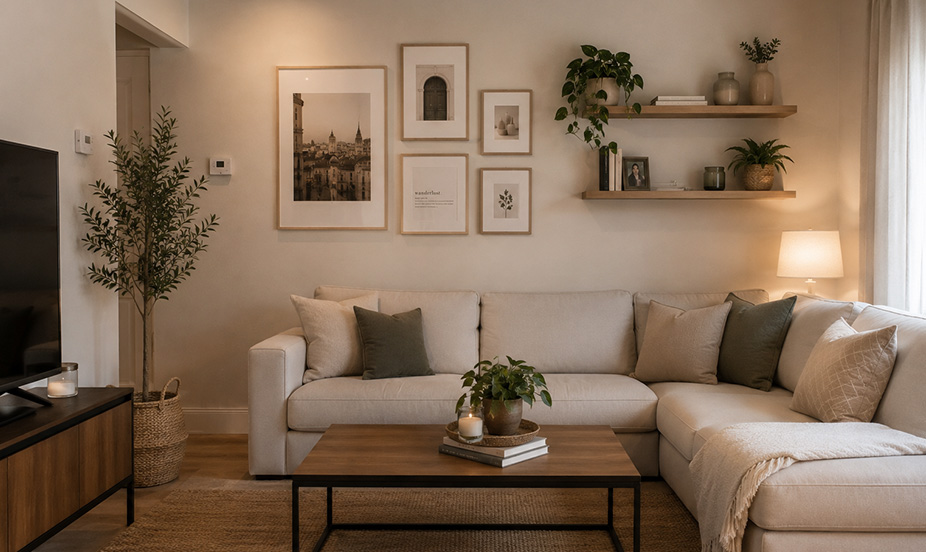
Shades of beige, sand, off-white, or taupe work especially well as a base for a modern living room; to add a touch of personality, you can incorporate accents in olive green, terracotta, or black.
Layers of Light
Well-designed lighting should not rely solely on a single light source; ideally, it should combine three levels:
- General lighting, which provides even lighting throughout the room.
- Ambient lighting adds warmth, whether with table lamps or indirect lighting.
- Accent lighting, which is used to highlight elements such as paintings or a reading area.
If you’d like to learn more about this topic, we recommend reading our article on home lighting, where you’ll find more tips and inspiration.
How to Decorate a Living Room Wall
Walls are a blank canvas, so they’re the perfect space to reflect the room’s personality. It’s important to avoid overcrowding the space with too many items to keep the area clean and tidy.
Some options we suggest include arranging pictures, decorative moldings, large mirrors, or open shelving with a few personal items.
How to Choose Living Room Furniture
The main piece of furniture—or “focal point”—should serve both aesthetic and functional purposes, so before buying anything, you should consider various factors, such as the available space, the decorative style, and the materials and finishes of the piece.
Wall-mounted furniture, clean lines, and natural wood finishes combined with neutral tones—such as taupe or beige—are currently quite popular.
Common Mistakes When Decorating
Many of these mistakes are made because the initial concept isn’t well defined, such as choosing furniture that’s too large for the space—the sofa is often one of the elements that has the greatest impact in this regard. Another mistake is using insufficient lighting or mixing too many decorative styles.
At The House, we believe that a well-designed living room stems from a balance between functionality, comfort, and aesthetics. The layout, choice of furniture, lighting, and materials are key elements in creating a space that reflects your lifestyle. If you’d prefer some guidance throughout the process, our interior design service helps you organize your ideas and make informed decisions before renovating. And if you’re looking for inspiration, explore our residential projects and see how we transform each home into a unique space.