The floor is one of the elements that most condition the final result of an interior. Not only because of its visual extension, but also because it affects the temperature, acoustics and character of each room.
Choosing the right flooring for a home is not always easy: the choice is vast and the decisions made at this point are difficult to reverse. From what floor to put at home according to the use of each room to how to choose the color of the floor to accompany you to the rest of the interior design, in this article you will find the key criteria that we apply in The House to help our customers make this decision with confidence and consistency.
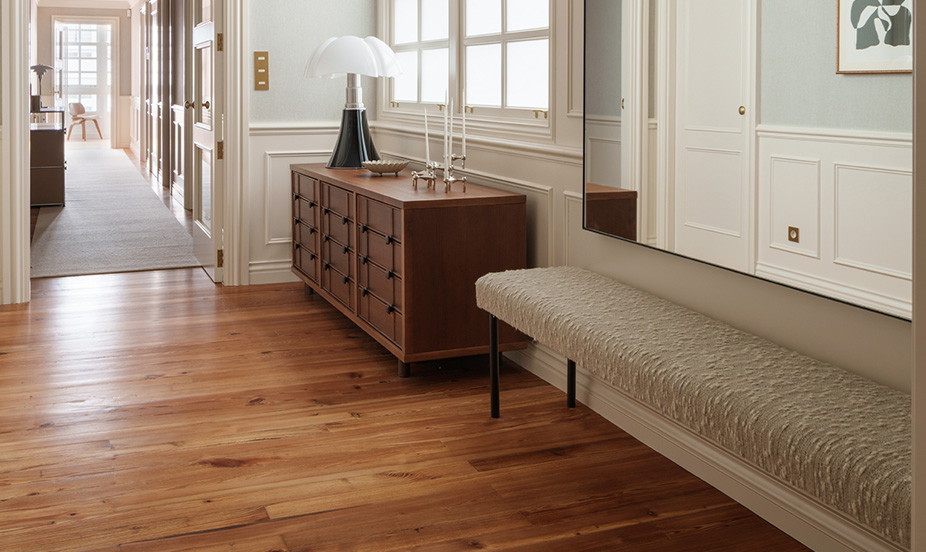
What floor to put in the house: factors prior to deciding
Before you start deciding what flooring to put in your home, it is important to take into account some factors that affect both the functionality and aesthetics of the space.
Not all materials will suit the needs of the home, and it is important to take this into account before making a final decision.
Use, transit and lifestyle
One of the most important aspects is to know the use that will be given to each space and the level of traffic that it will support on a daily basis.
It is not the same in a bedroom, where traffic is lower, than in other rooms such as the living room, kitchen or hallways, where daily use is higher. Other things to take into account is the lifestyle of those who live in the home, for example, if there are children or pets, which are usually prioritize durable floors, easy to clean and resistant to shock, moisture or scratches.
The relationship between the floor and natural light
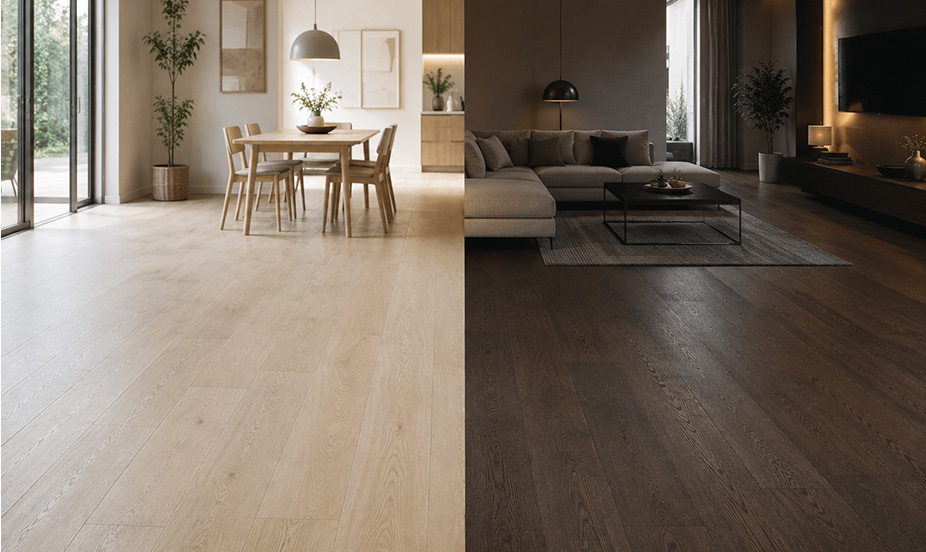
Light plays a key role in the perception of spaces and has a strong relationship with the type and color of flooring.
Light tones, such as sand or soft natural wood, help reflect light and provide spaciousness and more luminosity. Dark floors create a more elegant and cozy atmosphere, but absorb more light.
Apart from the color of the floor the finish of the material also has an influence, glossy surfaces reflect more light, while other finishes such as matte give a warmer and more natural feeling.
The most common types of home flooring used today
There is currently a wide variety of flooring for the home that combines design, resistance and functionality. The evolution of materials and trends in interior design has made the available options wider and wider, adapting to different decorative styles, usage needs and budgets.
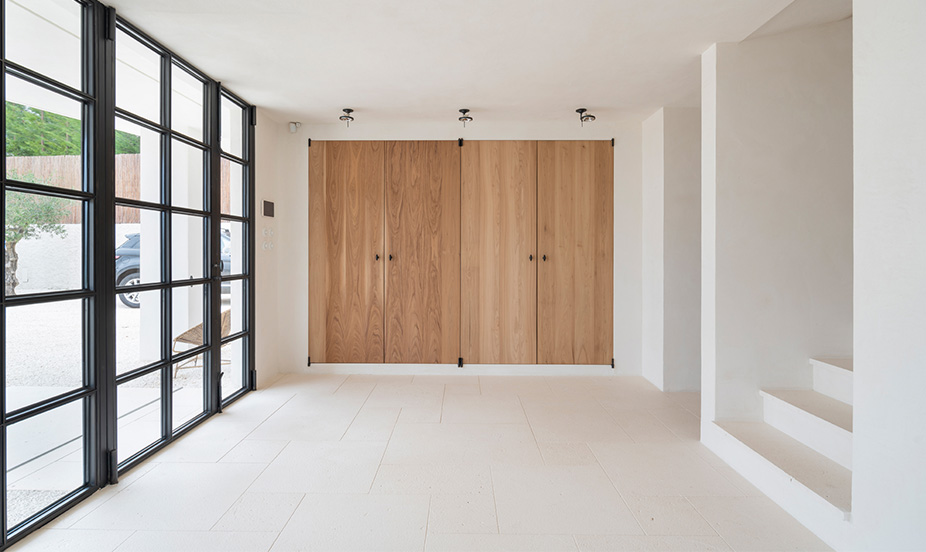
Porcelain and stoneware
This type of material is one of the most widely used, as it has great resistance, durability and different aesthetic options. Porcelain tile stands out for its more compact composition and lower water absorption.
These materials are recommended for high traffic areas, such as kitchens, bathrooms and even exteriors, because they resist moisture and temperature changes very well, and are easy to clean and require little maintenance.
Natural wood and laminate
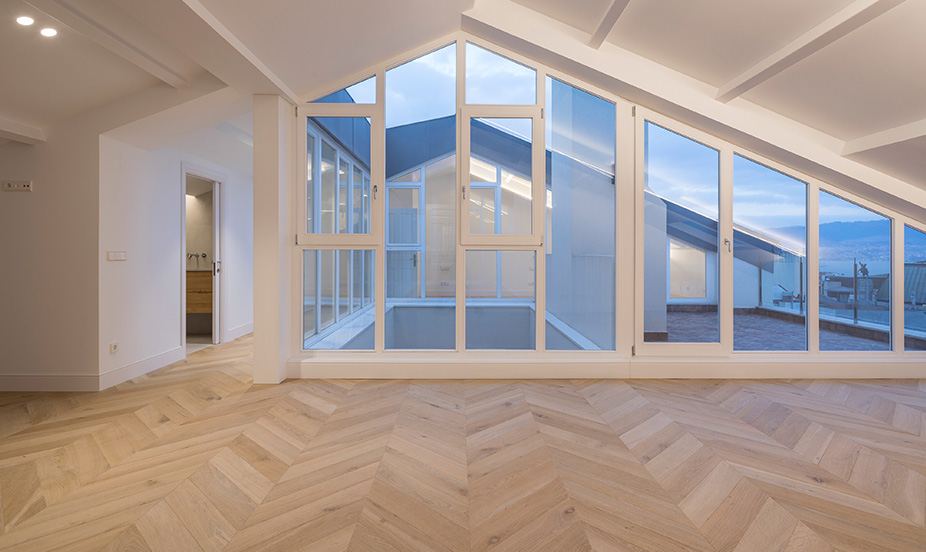
They are very popular and attractive options in homes, providing warmth and visual comfort. They create cozy and elegant environments.
Wood stands out for its unique finishes, shades and grains, which bring more personality and a more exclusive look to the home. Laminate flooring is a more economical and practical alternative, requires simpler installation and easier maintenance, and has good resistance to wear and scratches.
Microcement
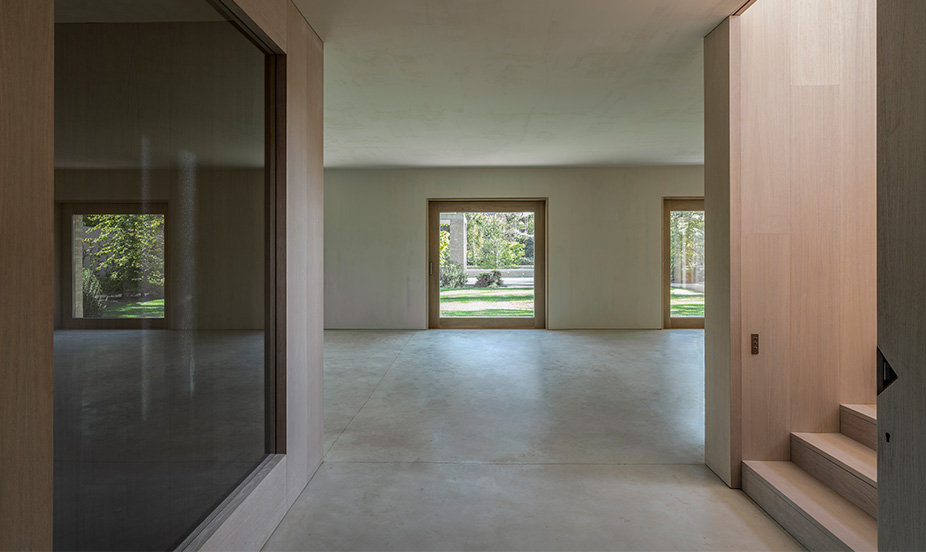
It has become one of the most demanded options in contemporary interior design thanks to its modern, continuous and minimalist aesthetics.
It is a coating made of cement, resins and pigments, which can be used on different surfaces without the need for major works.
One of its main characteristics is the absence of joints, which generates a feeling of spaciousness and continuity in the spaces. It offers a great aesthetic variety, available in different colors and finishes, adapting to any style.
Modern flooring for homes in 2026
Continuous finishes, neutral tones and textures inspired by natural materials such as stone or wood are becoming increasingly popular.
Among the most commonly used modern floors are large-format porcelain tiles, high-strength vinyl and microcement, especially in contemporary and minimalist style homes.
And there are others that never lose their strength, such as laminates and natural woods with matte finishes and warm tones, capable of providing a sense of home without losing modernity.
Large formats and minimum joints
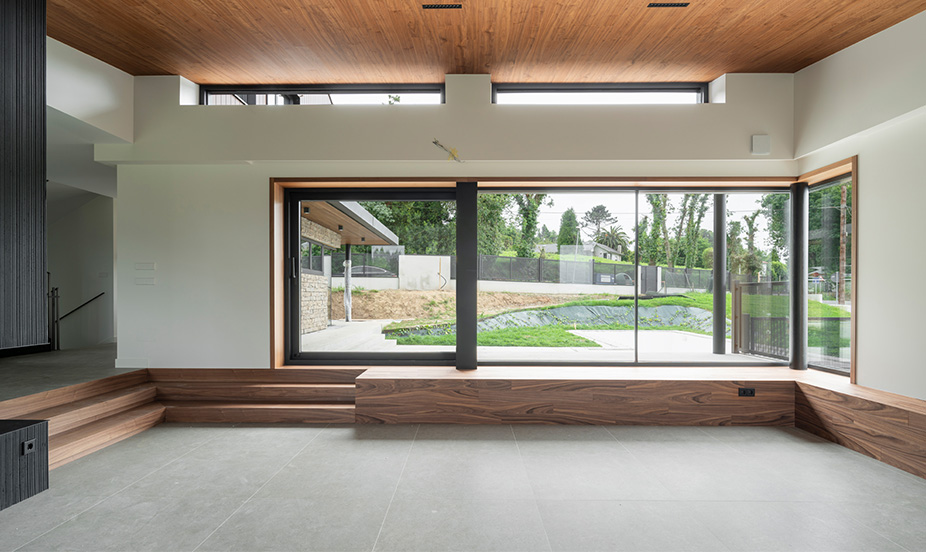
They have become one of the main trends in flooring, as they give a sense of continuity and spaciousness in spaces. Large pieces visually reduce the number of cuts and joints, creating cleaner, more uniform and elegant surfaces.
Matte versus polished finishes
This choice influences both the aesthetics of the place and the functionality, each one offering different things, depending on the needs of each one.
Matte finishes have a natural and elegant appearance, these finishes better conceal fingerprints, dust and any small imperfections that may be present. Polished finishes stand out for their shine and light reflection, providing a more sophisticated and luminous sensation.
How to choose the color of the floor of a house
The floor acts as the aesthetic base that conditions the rest of the decorative elements, so this choice is fundamental, and also affects the luminosity and the feeling of spaciousness.
Light shades to visually enlarge the space
This type of flooring is especially recommended for small homes, rooms with little light or spaces where the aim is to create more open and luminous environments.
They provide a timeless and versatile aesthetic that combines with different decorative styles, from minimalism to contemporary or Nordic environments, such as Japandi.
Dark floors and their impact on the overall appearance of the building
This type of flooring has an impact on the perception of space by absorbing more light, dark colors can make rooms appear visually smaller or closed if they do not have enough natural lighting or a good distribution of colors and materials.
They tend to work best in spacious, well-lit homes or combined with light walls, light furniture and contrasting decorative elements.
The best floor for every room in the house
Choosing the right type of flooring for each room of the house is essential to ensure comfort, durability and aesthetic coherence in the home as a whole.
Living room and passageways
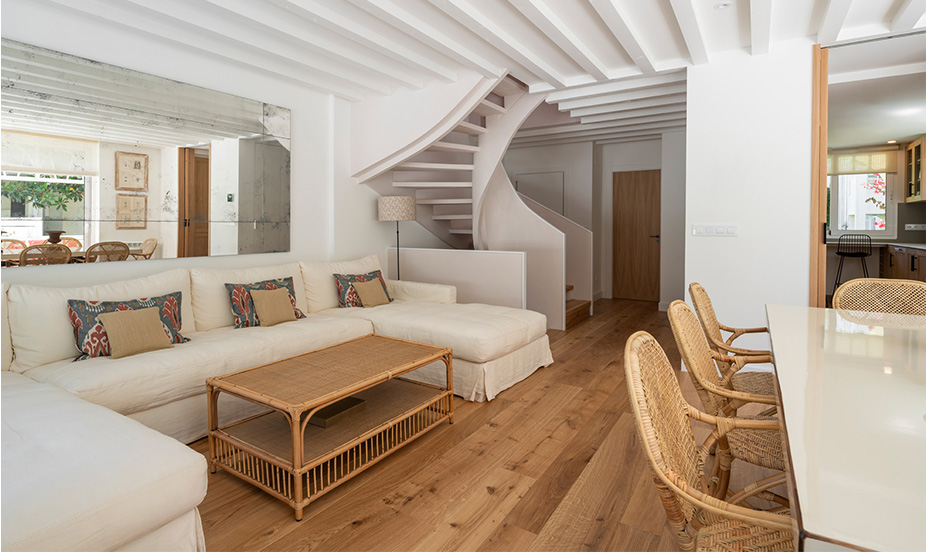
They are one of the areas of the home with more daily use, so you should choose a floor that combines resistance, comfort and aesthetics.
Porcelain or laminate materials, which are highly resistant and have a wide variety of finishes, are usually chosen for this type of areas.
Kitchen and bathroom
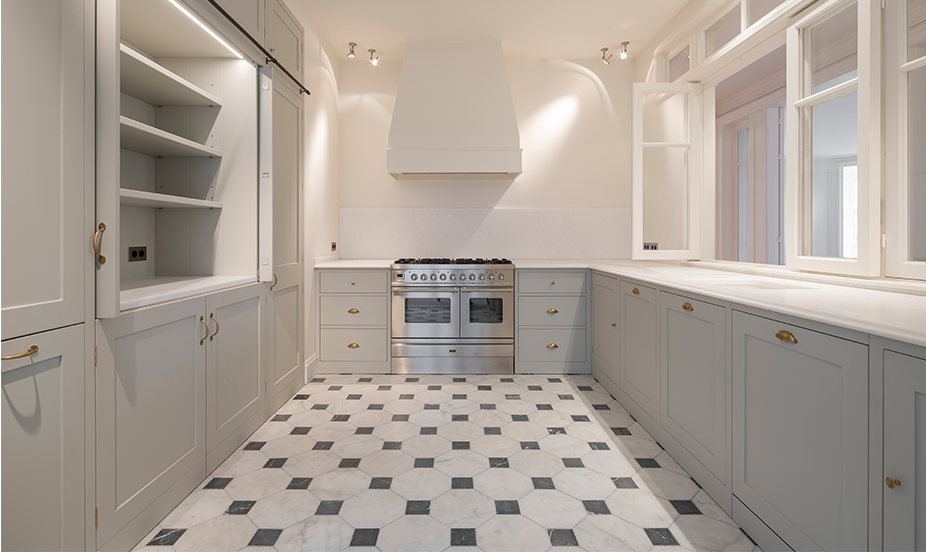
For these areas it is necessary to pay attention when choosing what type of flooring to use, as they will be exposed to humidity, temperature changes and intense daily use, so it is essential to opt for resistant materials, easy to clean and with non-slip properties.
Vinyl flooring is quite popular, thanks to its moisture resistance, walking comfort and ease of installation.
Bedrooms
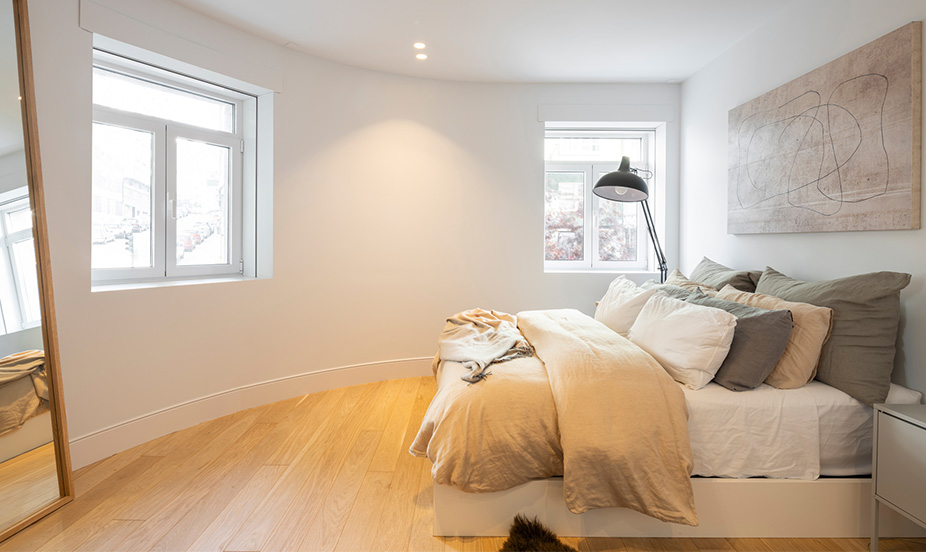
In this room, the floor has a particularly important role, since it must be comfortable and give warmth to the space. As they are rest areas, priority is given to walking comfort, thermal insulation and a cozy aesthetic.
Natural wood and laminate floors are some of the most used options in bedrooms due to their warm and pleasant to the touch appearance. The most commonly used colors are light and neutral, which generate brighter, more balanced and seemingly more spacious environments.
If you are passionate about interior design and want to keep discovering ideas, trends and real projects, follow us on our Instagram, where we continuously share inspiration.
And if you are thinking of renovating your home or you have a project in hand, in The House by Grupo Malasa we accompany you throughout the process. From the choice of materials to the final execution, our interior design team works so that each space reflects exactly what you are looking for.