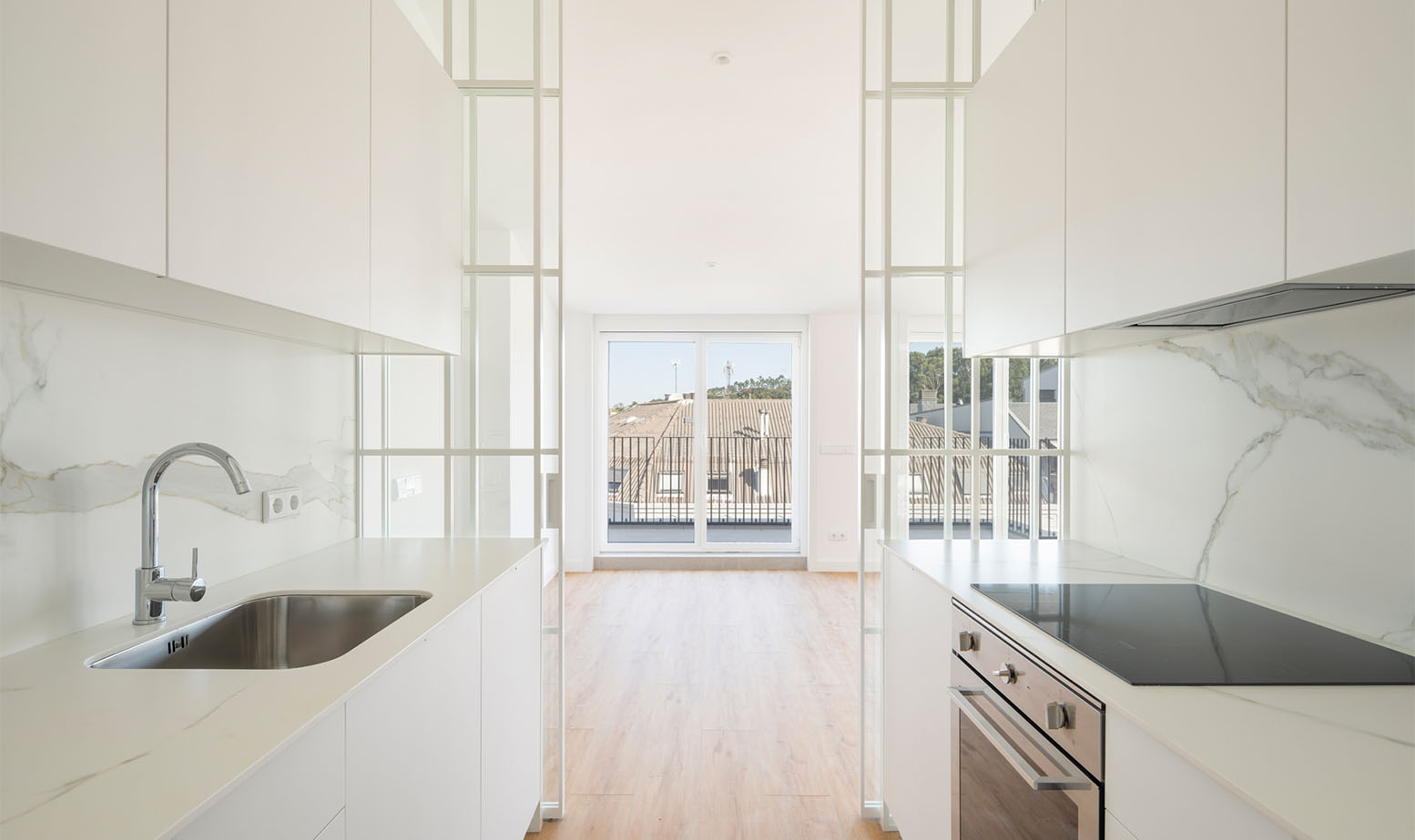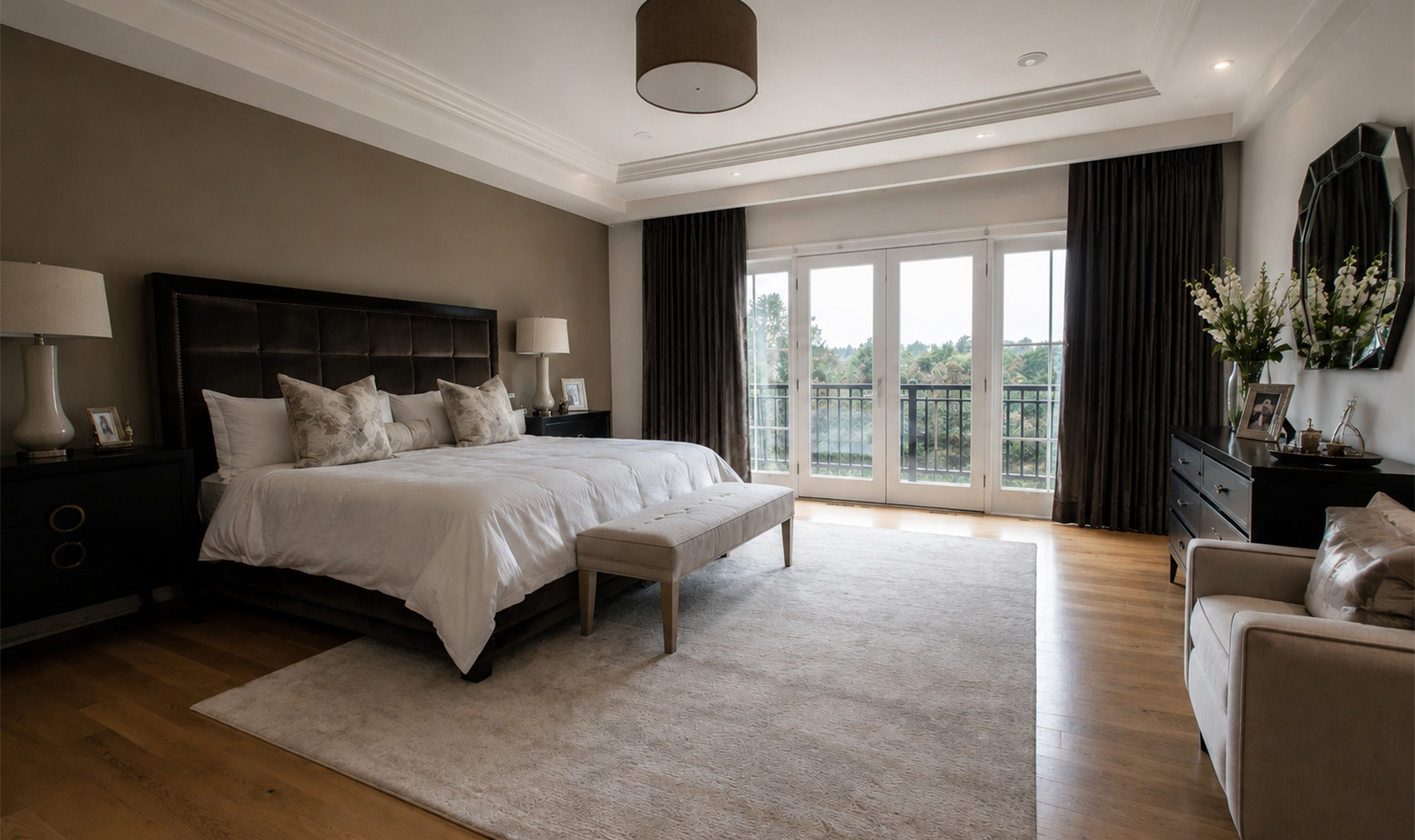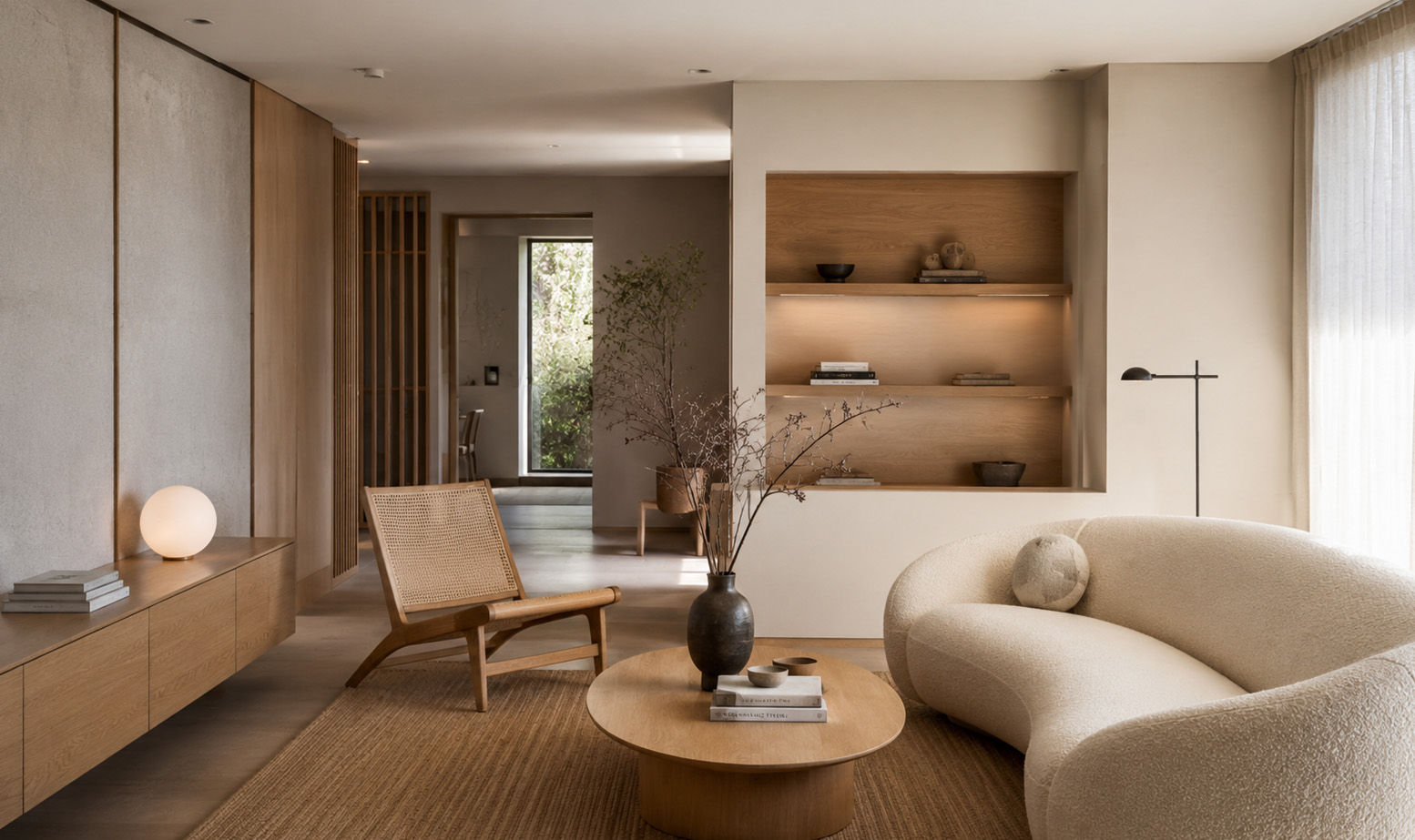
If you’ve ever felt that the warmth of Scandinavian interiors and the serenity of Japanese aesthetics should coexist in the same space, the Japandi style makes it possible. This interior design trend fuses the best of both cultures – functionality, simplicity and a deep connection with natural materials – to create homes where every element has a purpose and a quiet beauty. At The House, we have been designing spaces that excite from the everyday for years, and japandi embodies exactly that philosophy: less visual noise, more real presence.
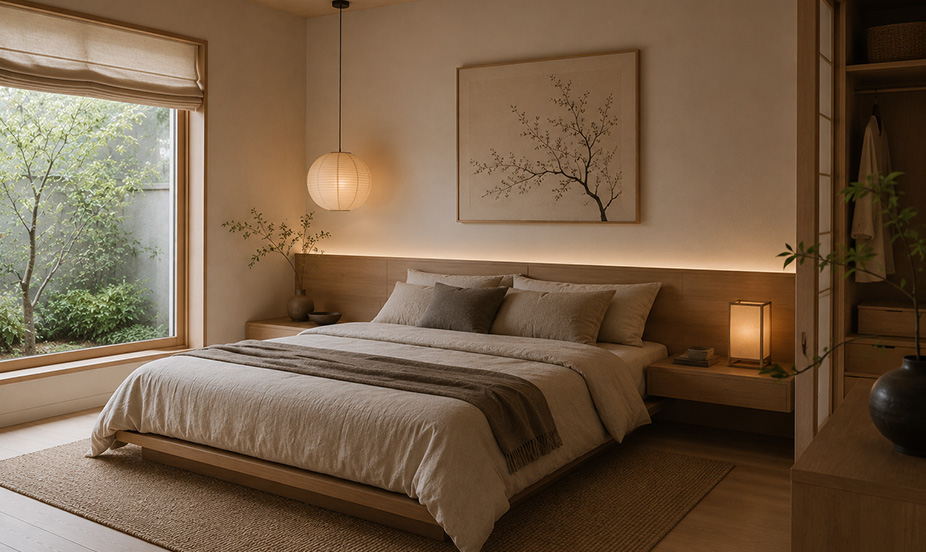
What is the Japandi style?
It is a current of interior design that is created with the union between Japanese and Scandinavian aesthetics .
It combines the tranquility and spirituality of Japanese with the functionality and warmth of Nordic, the result is a minimalist and warm style, focused on quality rather than quantity.
It emerged at the beginning of the 21st century, although the connection between the two movements dates back much further. At the end of the 19th century, some designers began to take an interest in Japanese aesthetics after Japan opened its trade to the West.
Principles of Japandi decoration
The principle of “less is more”a minimalist approach where each element is chosen with intention and purpose, avoiding visual noise and prioritizing the essential. Functionality and aesthetics are harmoniously integrated, so that objects and spaces not only fulfill a practical function, but also provide visual and sensory value.
There is a strong connection with nature, reflected in the use of organic materials and simple shapes that recall the natural and authentic. All of this helps to generate visual calm.
Japandi style color palette
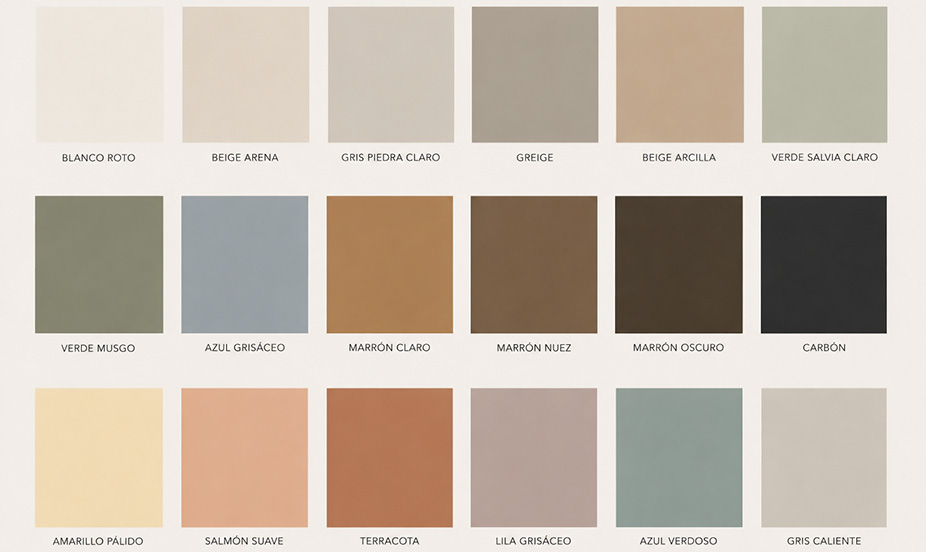
The palette is of calm, neutral and earthy colors… designed to generate balance and calm, with soft contrasts that do not break the harmony. Shades such as beige, sand, warm gray and off-white predominate, providing luminosity and a neutral base.
They are complemented with shades of brown, taupe and natural wood, reinforcing the feeling of warmth and connection with the organic. Subtle deeper colors such as black, olive green or a very muted blue are also subtly incorporated, adding depth and character without altering the visual calm of the space.
Natural materials and textures
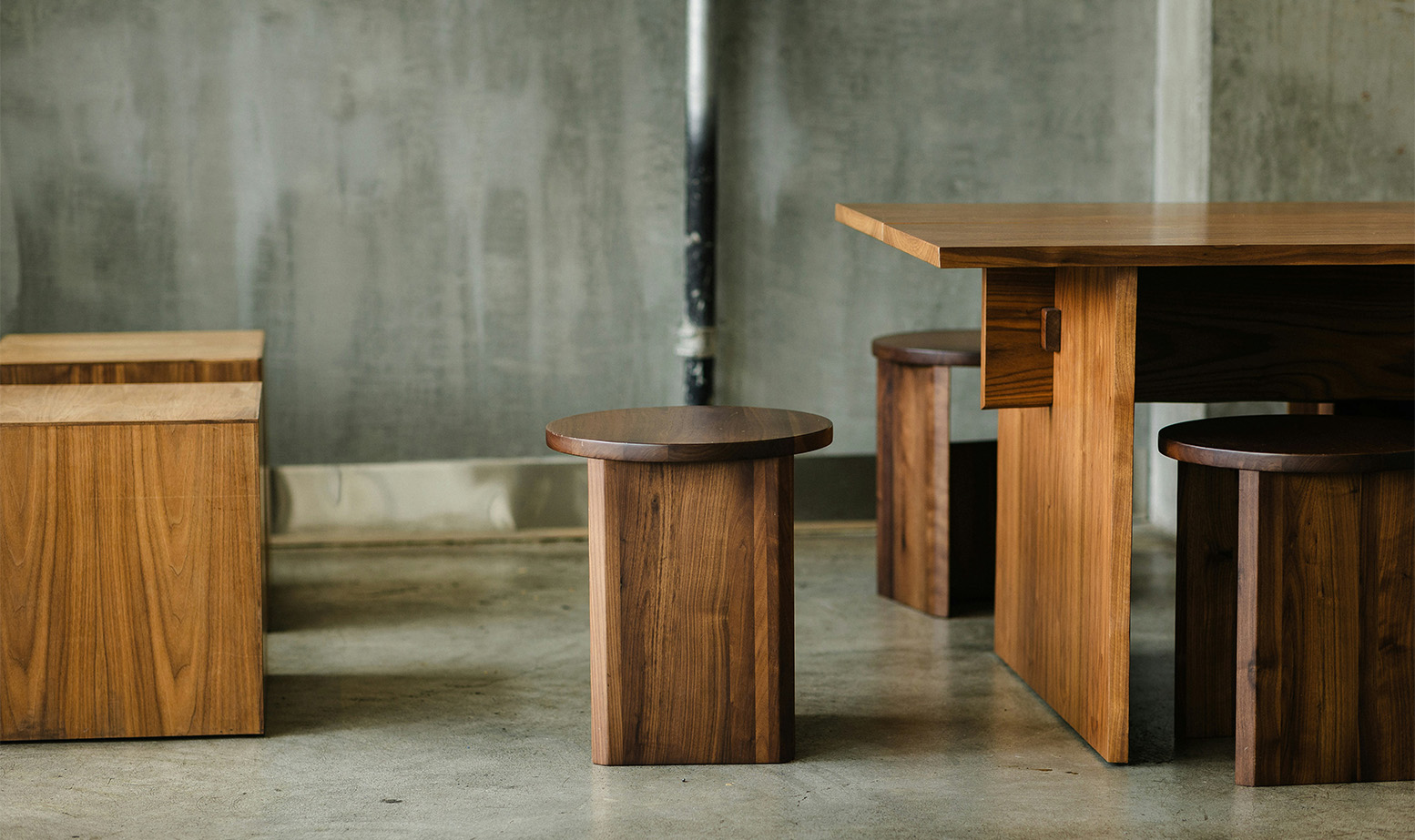
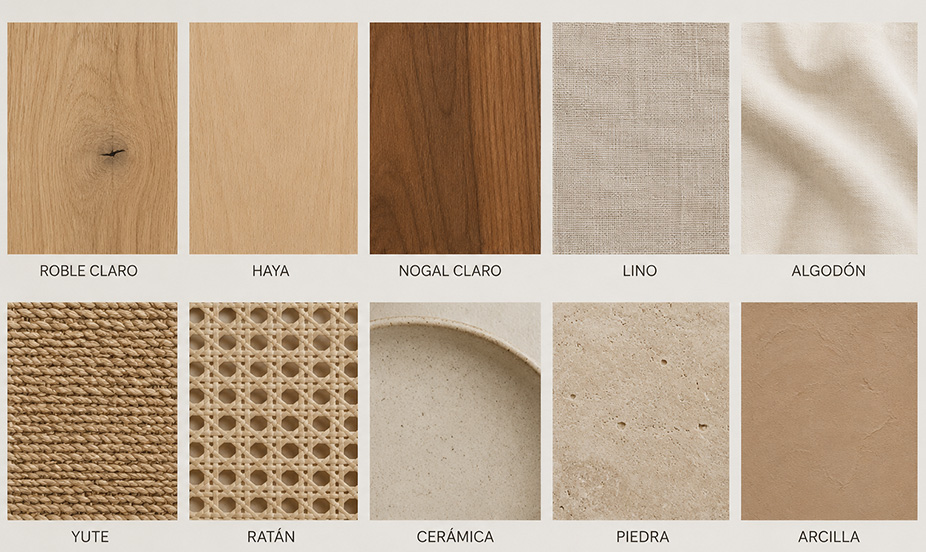
Natural imperfections are no longer understood as defects but as qualities that give character and authenticity to the materials. Priority is given to the use of natural wood, such as oak, beech or light walnut, valuing its grain, knots and variations.
Natural fibers such as linen, cotton, jute and rattan are also used, adding warmth and an organic feel. Handcrafted ceramics, stone and clay reinforce this honest and timeless aesthetic. Everything is complemented by matte finishes and textures perceptible to the touch, which invite a closer and more natural sensory experience.
Lighting
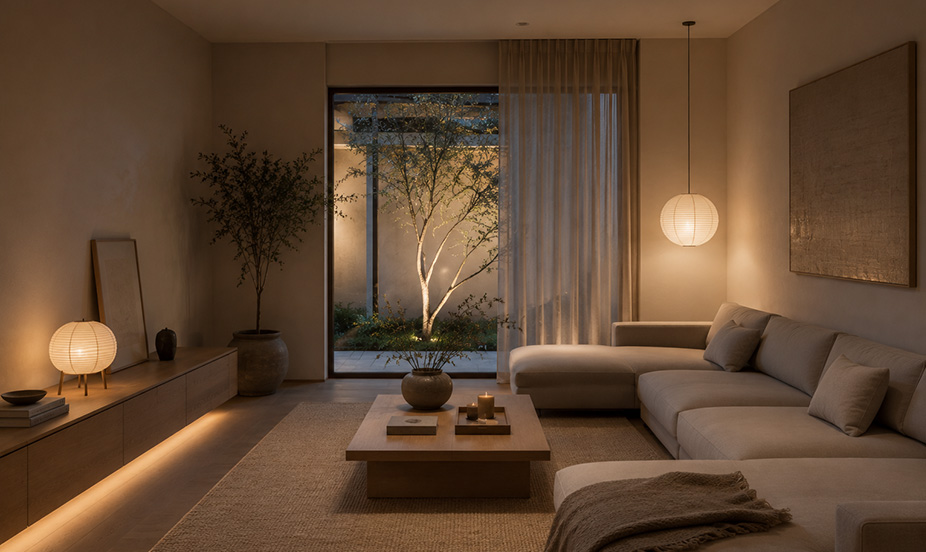
Lighting plays an essential role, natural light dominates the spaces, providing spaciousness and calm, while artificial light is subtly integrated through paper, linen or opaline glass lamps, which soften the illumination and avoid glare.
This play of light generates a warm, cozy and relaxing atmosphere, which reinforces the minimalist and functional philosophy of the style.
Common mistakes when decorating in Japandi style
One of the most common mistakes when decorating in this style is to confuse minimalism with cold, empty spaces without personality. Many people add too many “zen” decorative elements, mix colors and styles in excess or use synthetic materials that break the natural harmony of the environment.
It is also a failure to use intense white lighting, when this style seeks a warm and relaxing atmosphere.
The sophistication of Japandi is discreet and without excess: it does not seek to attract attention, but rather to generate harmony through careful proportions, noble materials and a soft color palette. The spaces are balanced, welcoming and well-organized, favoring a calm atmosphere that invites well-being, contemplation and a more leisurely connection with the daily environment.
If the japandi style has inspired you and you want to bring it to your home, in The House we can accompany you throughout the process. From the choice of materials to the distribution of each space, our team works with you to create a result that is truly yours. Find out how we can help you with our interior design and consulting services.